How to Land Heavy Equipment & Diesel Technician Jobs in KSA
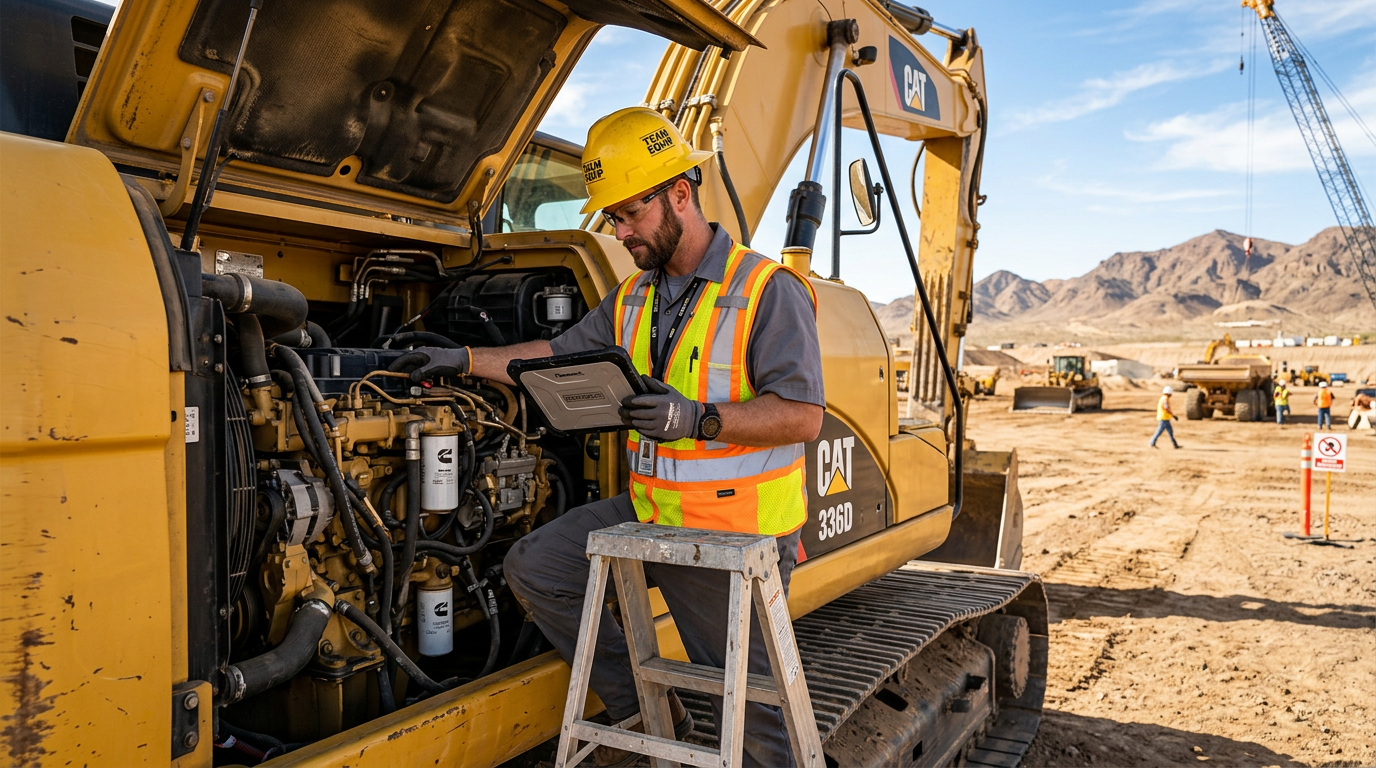
Saudi Arabia is currently undergoing the largest construction and infrastructure boom in modern history. Driven by Vision 2030, giga-projects like NEOM, the Red Sea Project, and the Riyadh Metro require massive fleets of earthmoving and logistical machinery to operate around the clock. However, keeping these massive fleets operational has created a critical bottleneck for contractors, resulting in an unprecedented demand for highly skilled tradespeople. If you are tracking #SaudiJobs in the industrial sector, the current hiring landscape offers some of the most lucrative opportunities in the Middle East.
The era of the basic mechanical "grease monkey" is over. Today’s heavy equipment—from 50-ton excavators to specialized drilling rigs—is highly complex, relying on advanced electronic control modules, pressurized hydraulic networks, and computerized fuel injection. Consequently, Saudi contractors are urgently hiring specialized professionals, particularly computerized diesel pump technicians and advanced hydraulic technicians. At basecareer.co, we continually see top-tier employers seeking out tradespeople who can combine traditional mechanical grit with modern diagnostic software expertise.
This comprehensive guide breaks down exactly what it takes to secure these high-demand #TechnicianJobs. We will explore the strict experience requirements, the technical certifications that unlock premium salaries, and the financial benchmarks you should expect before signing a contract to relocate to the Kingdom.
The Evolution of Heavy Equipment Maintenance in the GCC
To understand why salaries for specialized technicians are surging, you must understand the financial stakes of modern construction in Saudi Arabia. When a primary bulldozer or a heavy-lifting crane breaks down on a giga-project, the resulting "downtime" can cost a contractor tens of thousands of dollars per hour in delayed operations and idle manpower. Employers are no longer willing to guess what is wrong with a machine; they need precise, rapid diagnostics.
The Shift from Mechanical to Computerized Systems
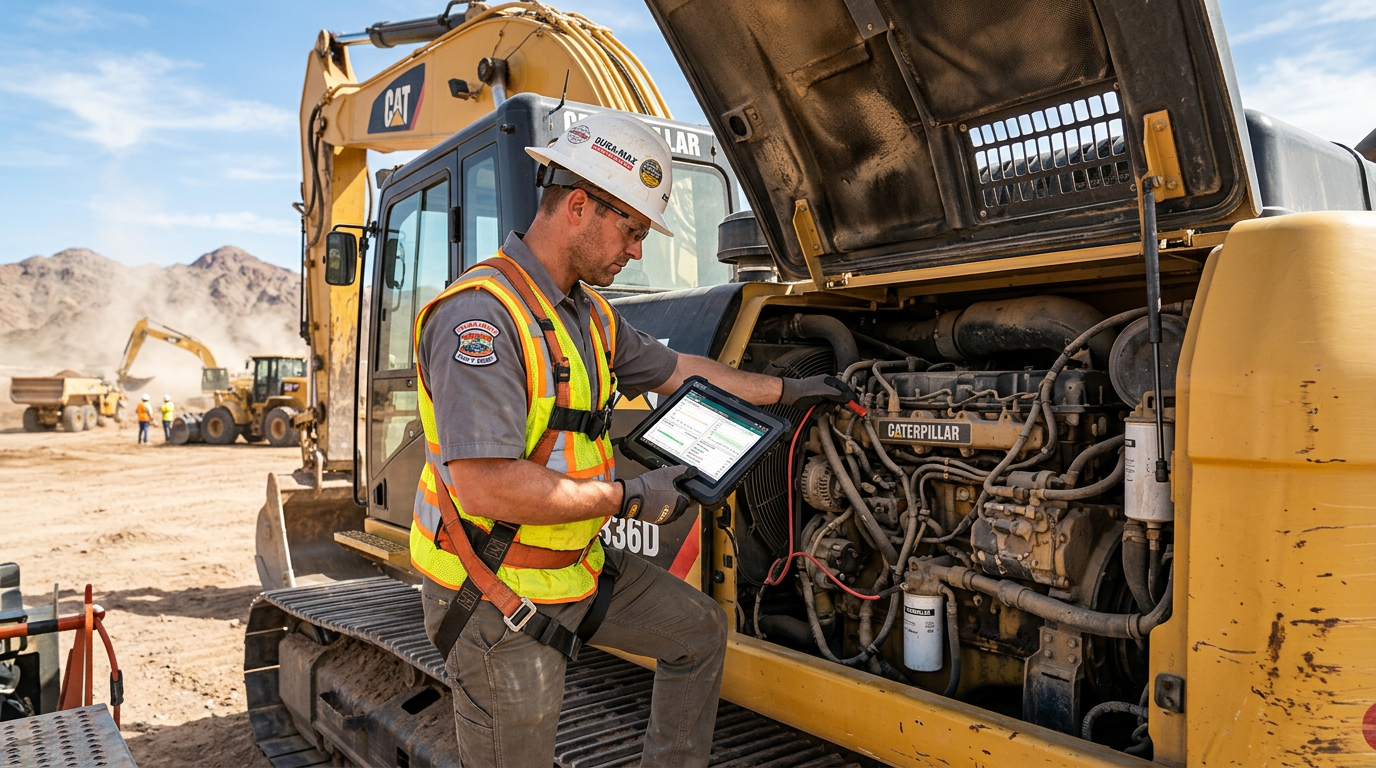
Modern heavy equipment utilizes intricate CAN bus (Controller Area Network) networks that allow various microcontrollers to communicate. Engine performance, hydraulic pressure, and transmission synchronization are all electronically monitored. A failure in one sensor can shut down an entire machine. This evolution has transformed #HeavyEquipmentJobs from purely physical labor into highly technical diagnostic roles. Contractors desperately need professionals who can plug a laptop into a machine, read fault codes, and confidently isolate the root cause without replacing unnecessary parts.
Urgent Hiring: The Most In-Demand Technician Roles
While general mechanics are still hired in volume, the premium salaries and urgent hiring campaigns are focused on a few hyper-specialized niches. If you have expertise in either of the following two categories, you are currently in the driver's seat when negotiating your contract.
Computerized Diesel Pump Technicians
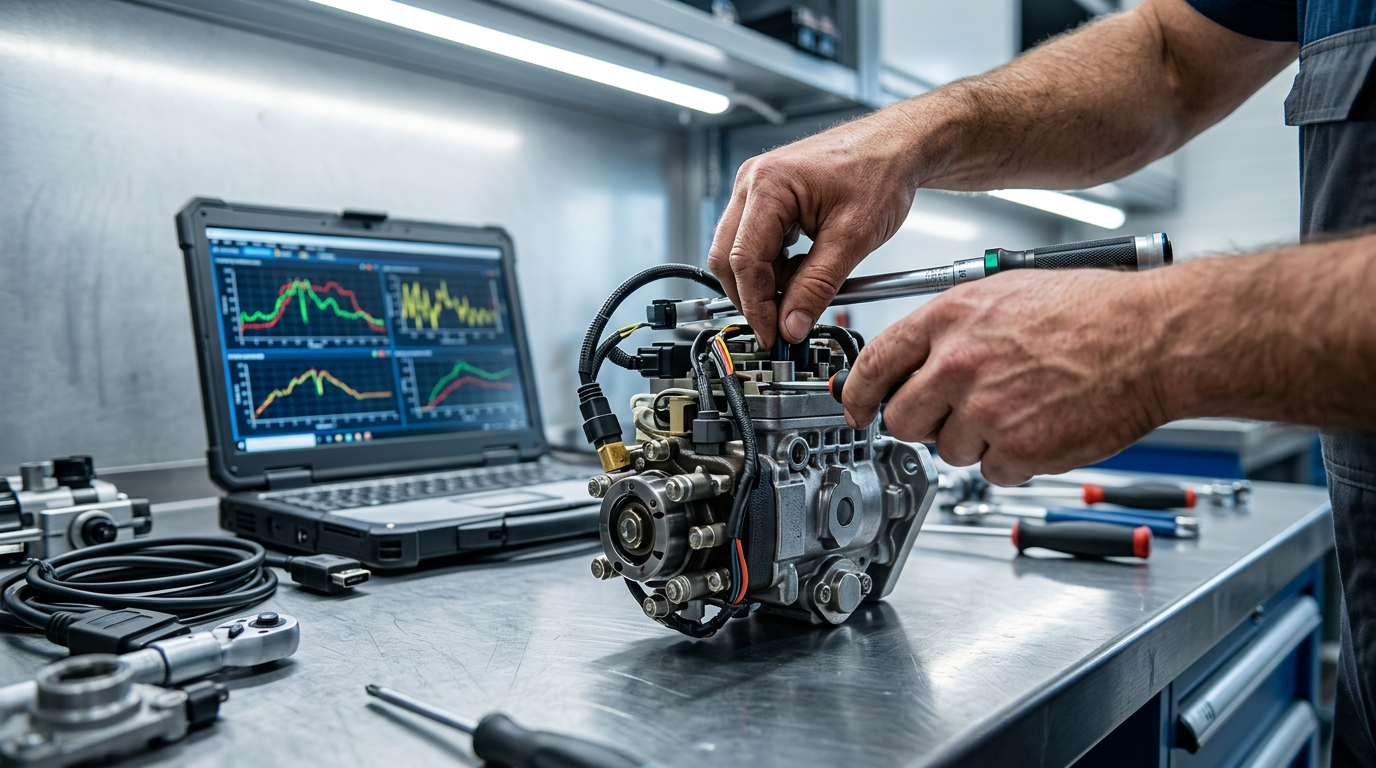
The backbone of any heavy machinery fleet is the diesel engine, and modern diesel engines rely entirely on Common Rail Direct Injection (CRDI) and Electronic Unit Injection (EUI) systems. These systems operate under extreme pressure to maximize fuel efficiency and minimize emissions. When these pumps fail or lose calibration, the engine loses power or stops completely. A skilled #DieselTechnician who knows how to operate computerized test benches (like the Bosch EPS 815) to recalibrate injectors to factory specifications is highly sought after. Employers need candidates who understand injection timing, fuel mapping, and electronic actuation.
Advanced Hydraulic Technicians
Every movement an excavator, crane, or loader makes is powered by hydraulics. Saudi employers are aggressively headhunting #HydraulicTechnician experts capable of reading complex, multi-page hydraulic schematics. These professionals must understand the nuances of open-loop versus closed-loop systems, load-sensing pumps, and proportional control valves. Troubleshooting a pressure drop in a 100-ton crane requires a deep understanding of fluid dynamics, thermal expansion, and electronic valve actuation. If you can rebuild hydrostatic transmissions and calibrate main control valves, you will rarely face a shortage of job offers.

“I kept getting rejections from London. Base Career rewrote my CV for Dubai, and I landed Emirates in 3 weeks.”
Sarah M. · Marketing Manager · UK 🇬🇧 → Dubai 🇦🇪
No credit card required
In Saudi Arabia's fast-paced contracting sector, machinery downtime is measured in thousands of dollars per hour. Technicians who can rapidly diagnose computerized faults are not just mechanics—they are vital risk management assets.
Why Employers Demand 8+ Years of GCC Experience
When browsing job boards for senior trades roles in Saudi Arabia, you will consistently notice a rigid requirement: "Minimum 8+ years of GCC experience required." While this can be frustrating for highly skilled technicians from outside the Middle East, employers have valid, financially driven reasons for this benchmark.
The Arabian Peninsula presents one of the harshest operating environments on the planet for heavy machinery. Ambient temperatures regularly exceed 50°C (122°F) during summer months, leading to rapid thermal breakdown of hydraulic fluids and engine oils. Furthermore, fine desert sand acts as a highly abrasive compound. If a technician does not properly seal a computerized injection pump during maintenance, microscopic dust intrusion will destroy the component within hours of operation. Employers demand 8+ years of regional experience because they need technicians who have already learned to respect these environmental hazards.
Additionally, extensive GCC experience proves that a candidate understands the multicultural dynamics of a Gulf worksite, standard safety compliance protocols, and the intense pace of continuous shift work. If you are currently working in Dubai or Abu Dhabi and are curious about your standing, it is helpful to review the baseline for skilled trades in the UAE. Understanding how your skills are valued locally will give you immense leverage when negotiating a move to the Saudi market.
Essential Certifications for High-Demand Roles
Experience alone is rarely enough to secure the top-tier salary brackets. Saudi recruitment agencies and direct employers heavily scrutinize a candidate's formal training and manufacturer-specific certifications. A basic ITI diploma or an associate degree in mechanical engineering is the foundational requirement, but specialized credentials are what secure the interview.
- OEM Diagnostic Software Proficiency: Proof of training in programs like Caterpillar ET (Electronic Technician), Cummins INSITE, or Volvo VCADS is critical. These programs are the industry standard for reading electronic control modules.
- Component Calibration Certificates: Formal certificates from Bosch, Delphi, or Denso proving competency in operating computerized test benches for CRDI systems.
- Hydraulic Fluid Power Certifications: International credentials (such as those from the International Fluid Power Society) that validate your ability to safely test and repair high-pressure hydraulic circuits.
- Health and Safety Fundamentals: OSHA or NEBOSH certifications, while generally for safety officers, give senior technicians a distinct advantage when applying for supervisory roles.
Crucially, before you can even deploy to Saudi Arabia, you must navigate the Kingdom's strict regulatory frameworks. The Saudi Ministry of Human Resources and Social Development requires skilled tradespeople from specific countries to prove their competency through practical and theoretical exams. It is absolutely essential to learn exactly how to pass the Saudi Skills Verification Program (SVP) in your home country. Failing this trade test means your work visa will be rejected, regardless of your experience level.
Salary Benchmarks: What Do These Roles Actually Pay?
Compensation in the Saudi heavy machinery sector is tiered heavily based on specialization, brand expertise, and regional experience. Because the demand currently outpaces the supply of truly qualified computerized technicians, salaries have seen a steady upward trajectory.
While a standard, non-specialized heavy vehicle mechanic might earn a basic salary between SAR 2,500 and SAR 3,500 per month, the benchmarks for specialized professionals are significantly higher. Computerized diesel pump technicians and advanced hydraulic technicians with 8+ years of GCC experience typically command basic salaries ranging from SAR 4,500 to SAR 7,000+ per month. Supervisory roles or site-lead positions for major OEM dealerships can push well past SAR 8,500.
However, the basic salary is only one part of the financial equation. Major contractors usually provide a comprehensive benefits package that drastically reduces your living expenses. This typically includes free bachelor accommodation in company camps, daily transportation to the site, medical insurance, and food allowances (or free camp catering). Because giga-projects operate continuously, overtime is a major component of a technician's take-home pay. It is highly advised that candidates familiarize themselves with the rules governing working hours, overtime, and rest days under Saudi labor law to ensure their overtime hours are calculated and compensated accurately.
If you are currently based in the UAE and contemplating whether to uproot your life, it is crucial to analyze the overall financial benefit. The cost of living in remote Saudi project camps is negligible, allowing for massive savings, but the lifestyle is vastly different from Dubai. You should carefully evaluate whether the KSA salary premium is worth the move from Dubai based on your long-term family and financial goals.
How to Optimize Your Resume for Saudi Heavy Machinery Roles
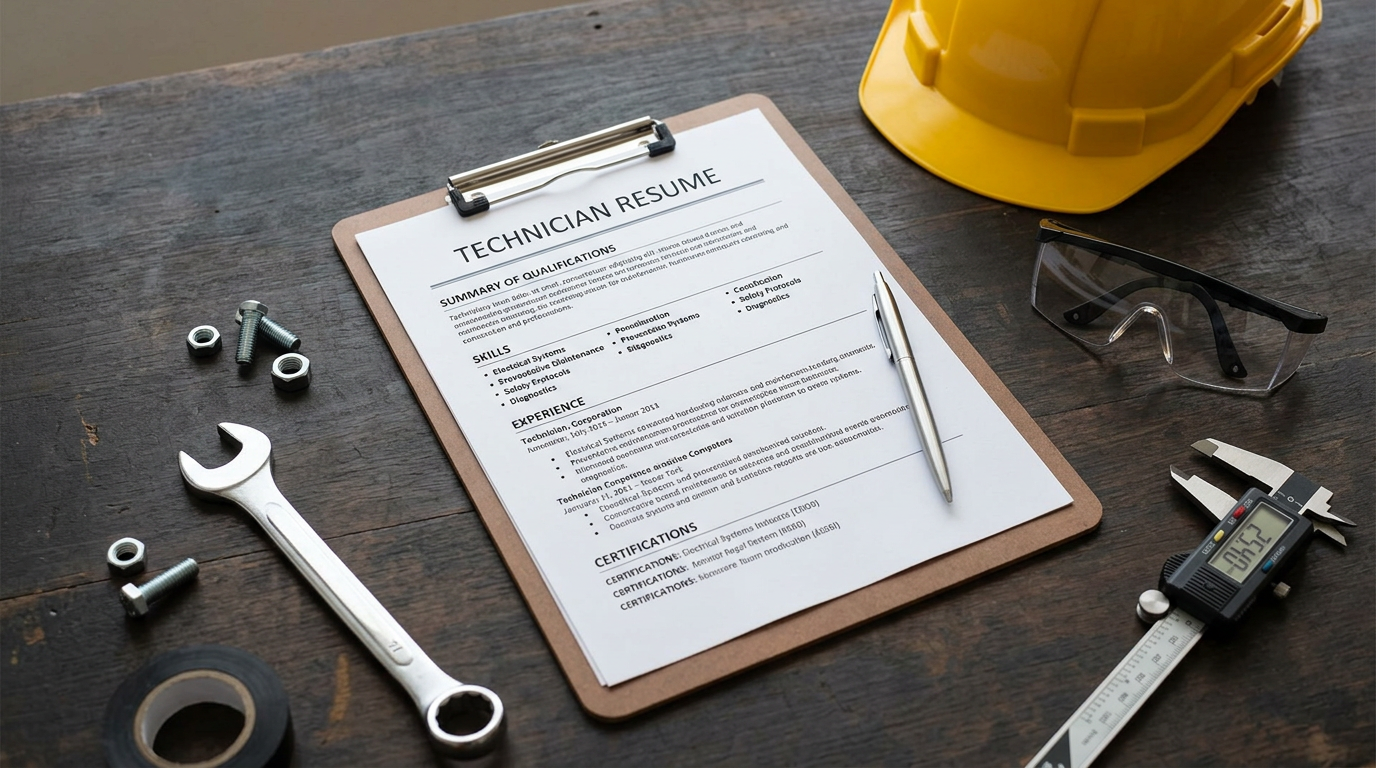
Applying for jobs through portals can feel like shouting into a void if your CV is not formatted correctly. Recruitment agencies sourcing for Saudi projects use Applicant Tracking Systems (ATS) that scan for highly specific keywords. A generic resume stating "Repaired heavy equipment and maintained engines" will be instantly rejected.
To secure an interview, your resume must be highly technical and granular. You need to explicitly list the brands (Caterpillar, Komatsu, Hitachi, Volvo), the equipment types and tonnages (e.g., 50-ton excavators, 100-ton mobile cranes, D9 bulldozers), and the diagnostic software you use (CAT ET, Cummins INSITE). Highlight your specific accomplishments—did you lead a team in an engine overhaul? Did you reduce equipment downtime by implementing a preventative maintenance schedule for hydraulic systems? Quantify your experience wherever possible. Using basecareer.co's tools can help you streamline this optimization process and target the right employers seamlessly.
Frequently Asked Questions
What is the average salary for a hydraulic technician in Saudi Arabia?+
Why do Saudi employers demand 8 years of GCC experience for technicians?+
Do I need a university degree to become a computerized diesel pump technician in KSA?+
What is the Saudi Skills Verification Program (SVP) for mechanics?+
Accelerate Your Job Search with Base Career
Saudi Arabia's Vision 2030 is heavily reliant on the seamless operation of heavy machinery, making elite technicians the unsung heroes of this economic transformation. If you possess the required 8+ years of GCC experience, a deep understanding of computerized diagnostics, and the right trade certifications, the Saudi market offers unparalleled earning potential and long-term career stability.
Whether you are an expert in CRDI fuel systems or a master of complex hydraulic schematics, now is the time to position yourself in front of top-tier contractors. Stop relying on generic job boards and start targeting your applications to employers who value your highly specialized skills. Ready to organize your job search, optimize your profile, and connect with top employers across the Middle East? Take the next definitive step in your career journey and sign up at basecareer.co today.
Stay ahead of the market. Join Base Career Today.
Turn market shifts into a clearer application workflow with resume tailoring and tracking in one place.
Start freeNo credit card required

James T.
Canada 🇨🇦 → Riyadh 🇸🇦
“50 applications, zero replies with my Canadian CV. Base Career got me 4 Riyadh interviews and a Series B offer.”
Written by Base Career Research Team
Produced by the Base Career Research Team with AI, using Base Career job-market data, and published automatically. How our articles are made
Related Posts

Moving from the UK to Dubai: Why a Job Offer is Non-Negotiable
Planning a move from the UK to Dubai? Discover why arriving without a job is a financial risk and how to secure a role from home to avoid the 'low-pay trap.'

Building 'Wasta' from Scratch: Networking Strategies for Dubai Expats
Frustrated by 1,000+ applicants on LinkedIn? Learn how to build 'Wasta'—your professional network—from zero to access the UAE's hidden job market.