How to Land HVAC Duct Fabricator Jobs in the UAE and Saudi
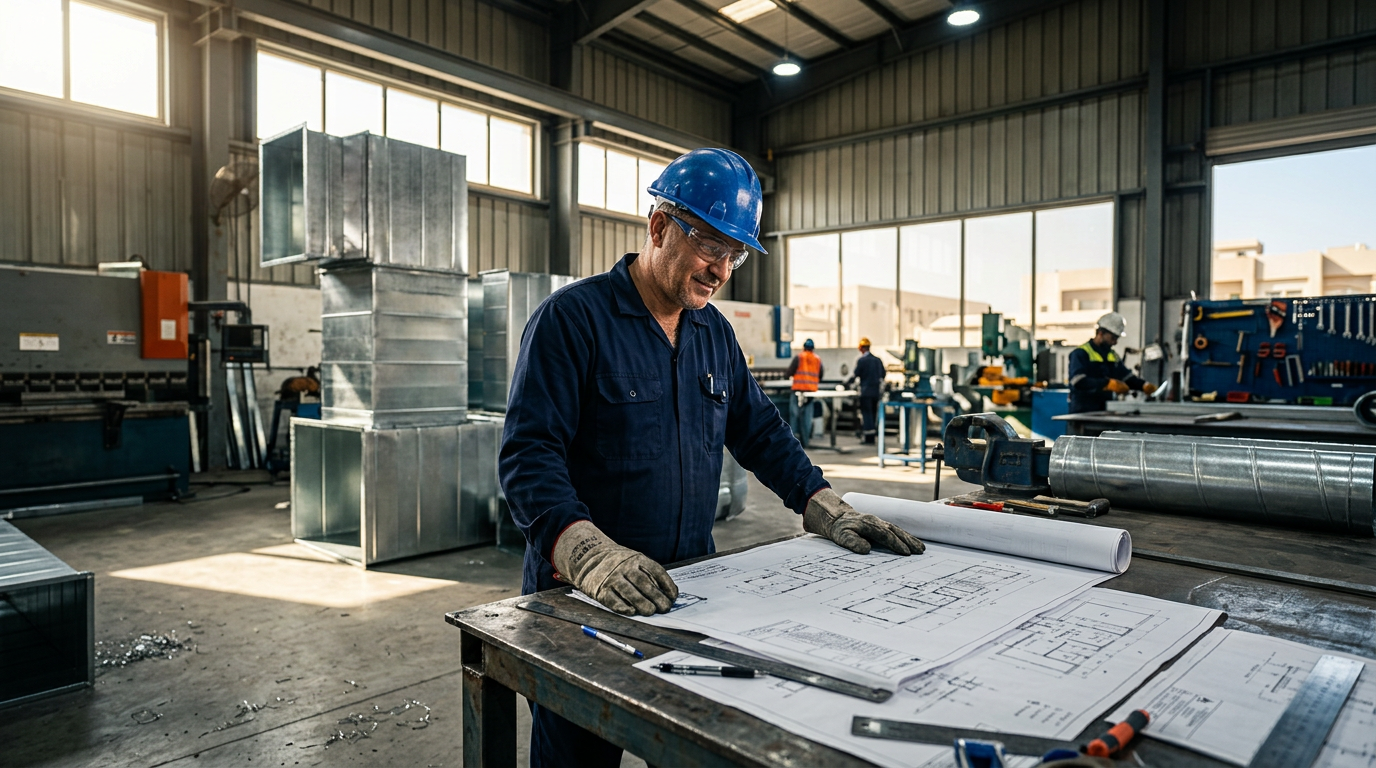
In the extreme climates of the Middle East, air conditioning is not a luxury; it is the fundamental backbone of modern living and industrial operation. As the United Arab Emirates and Saudi Arabia push forward with unprecedented construction booms, the demand for specialized cooling infrastructure has reached an all-time high. Behind the massive chillers and the sleek air vents in five-star hotels and smart cities are the unseen experts who make it all work: HVAC Duct Fabricators. For expatriate workers looking to build a stable and lucrative career in the GCC, mastering this specific trade offers a direct pathway out of low-wage general labor and into the respected ranks of skilled technicians.
Unlike general construction roles, HVAC duct fabrication requires a unique blend of mechanical aptitude, precision, and spatial awareness. The ability to transform flat sheets of metal or specialized foam panels into complex, airtight labyrinths that efficiently route air through a skyscraper is a highly monetizable skill. If you are currently working in the Middle East—or planning to relocate—understanding how to position yourself for these roles can drastically alter your earning trajectory. In this comprehensive guide, Base Career breaks down the transition from unskilled labor to skilled fabrication, the technical competencies required to excel, and how to navigate the modern job market in Dubai, Riyadh, and beyond.
The Surge of Mega-Projects: Why HVAC Demand is Unprecedented
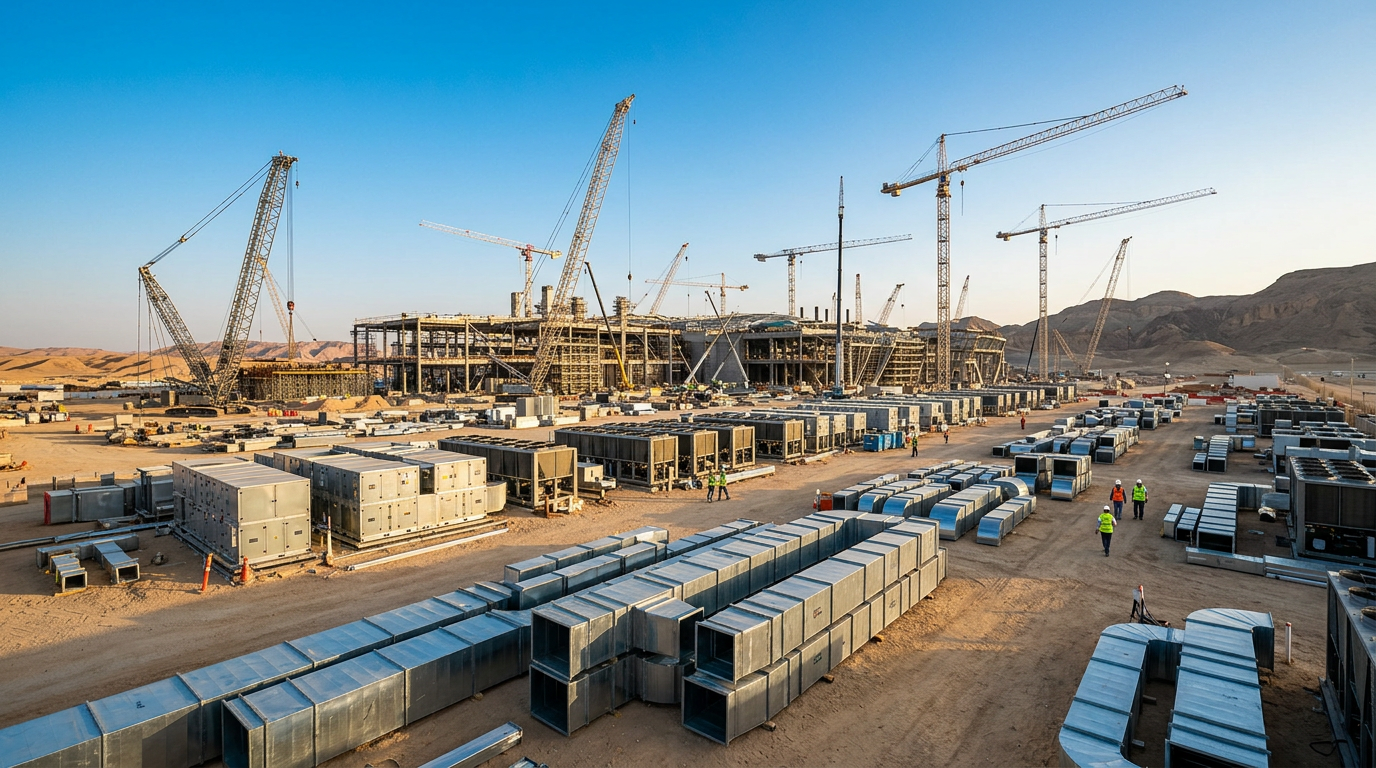
The economic landscape of the GCC is undergoing a massive transformation. In Saudi Arabia, Vision 2030 has birthed "giga-projects" like NEOM, the Red Sea Project, Qiddiya, and Diriyah Gate. These are not merely building developments; they are entirely new cities being constructed from the sand up. Every single commercial complex, residential tower, hospital, and underground transit station in these developments requires thousands of miles of custom-fabricated ductwork. The sheer volume of #SaudiJobs being generated for skilled tradesmen is staggering, with contractors urgently importing talent to meet aggressive delivery deadlines.
Similarly, the UAE continues to expand its skyline and infrastructure. Projects like the expansion of Al Maktoum International Airport (DWC), the ongoing development of Dubai South, and the revival of Palm Jebel Ali demand massive, complex HVAC systems. In these environments, pre-fabricated generic ducts rarely fit the bespoke architectural designs. Contractors rely heavily on on-site workshops and skilled fabricators who can take custom measurements, read complex blueprints, and manufacture ducts that navigate around plumbing, electrical trays, and structural beams with millimeter precision. This localized, bespoke requirement means that automation and off-site manufacturing cannot completely replace the human element, ensuring long-term job security for the skilled #DuctFabricator.
The Career Pivot: Escaping General Labor for a Skilled Trade
One of the most common pain points discussed in forums dedicated to expatriate workers in the Gulf is the feeling of being "stuck" in general labor. A helper or unskilled construction worker puts in grueling physical hours, yet their salary is often capped at the lowest tier of the company payroll. However, online discussions tagged with #SkilledWorkers and #HVACJobs consistently highlight one major theme: general labor should only be viewed as a stepping stone. By actively learning a specialized trade on the job, a laborer can dramatically increase their market value.
The path from helper to fabricator usually begins on the construction site itself. Astute general laborers request assignments to assist the MEP (Mechanical, Electrical, and Plumbing) or HVAC teams. By acting as a helper to an experienced fabricator—holding sheets, passing tools, and observing the cutting and folding techniques—a worker can absorb the fundamentals of the trade. Practicing with scrap materials during breaks or after hours is how many of today's senior foremen first learned to use a snip or a folding machine. Once a worker can independently fabricate standard shapes, they can apply for a trade test during their next job hunt, officially jumping to a skilled technician visa status.
This transition has a profound impact on earnings. Unskilled labor salaries may hover around a basic minimum, but skilled tradesmen negotiate from a position of strength. To fully understand the financial leap this transition provides, it is crucial to research current market rates. Workers planning this pivot should consult the UAE Blue-Collar Salary Guide to understand the jump in earning potential. Moving from a helper to a skilled fabricator often results in a 40% to 60% increase in basic salary, alongside better accommodation tiers, enhanced overtime rates, and greater respect on the site.
The difference between a laborer and a skilled tradesman isn't just the paycheck—it's the trajectory of your entire career. Mastering a niche like duct fabrication turns you from a replaceable commodity into an essential asset.
Mastering the Trade: PI vs. GI Ducting Explained

“I kept getting rejections from London. Base Career rewrote my CV for Dubai, and I landed Emirates in 3 weeks.”
Sarah M. · Marketing Manager · UK 🇬🇧 → Dubai 🇦🇪
No credit card required
If you are browsing for #FabricationJobs in the Middle East, you will immediately notice that job descriptions require specific material expertise. The HVAC industry primarily relies on two types of ductwork: Galvanized Iron (GI) and Pre-Insulated (PI) foam ducts. A top-tier fabricator is proficient in both, understanding the unique tools, techniques, and safety protocols each material demands.
Galvanized Iron (GI) Ducting: This is the traditional heavyweight champion of the HVAC world. GI ducts are made from sheet metal coated in zinc to prevent rusting. Fabricating GI ducts is physically demanding and requires a deep understanding of geometry and metalworking machinery. A fabricator must know how to use shearers to cut the metal, rollers to curve it, and bending machines (press brakes) to create sharp angles. They must master the creation of locking seams (such as the Pittsburgh seam or Snap Lock) to ensure the ducts are airtight without relying solely on sealants. Working with GI requires significant strength, strict adherence to safety gear to prevent severe cuts, and the ability to minimize material wastage when cutting complex transition pieces.
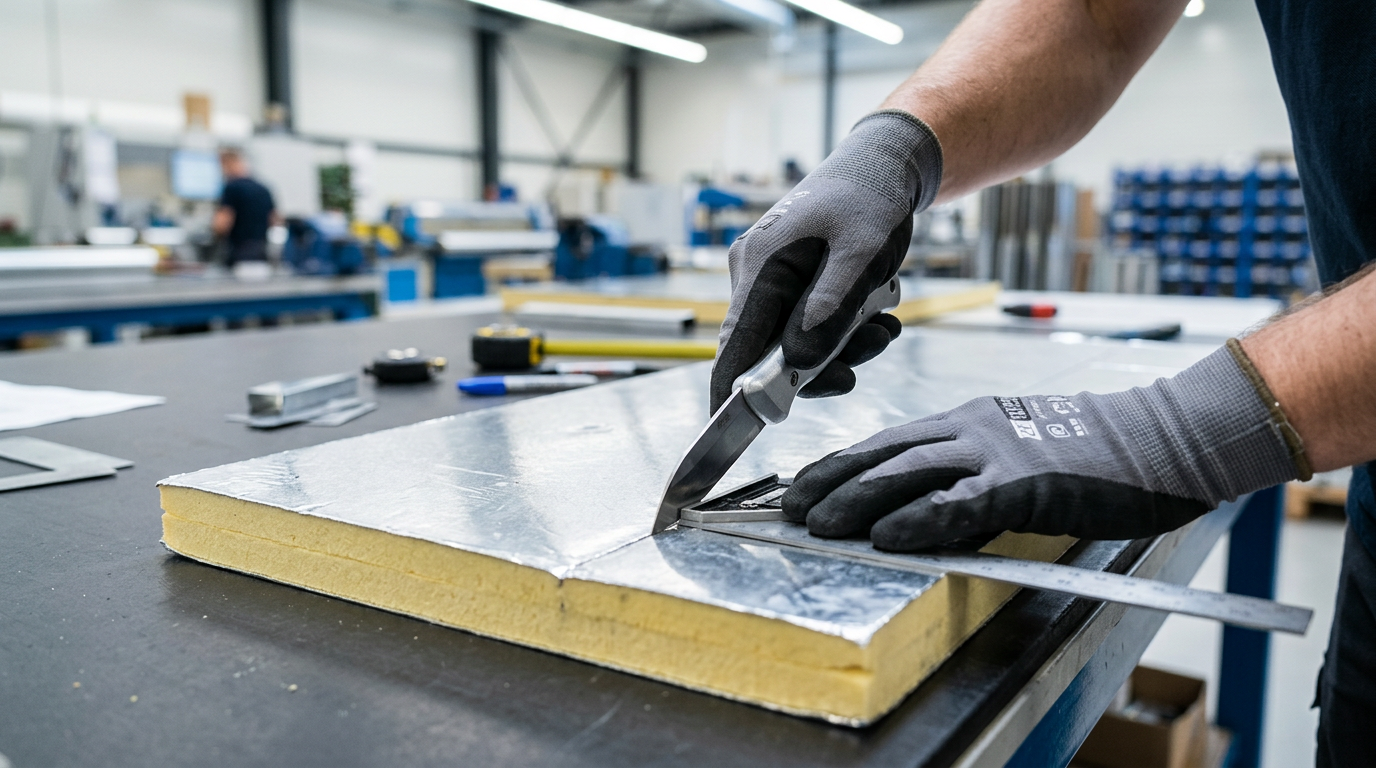
Pre-Insulated (PI) Ducting: As energy efficiency becomes a priority in modern green buildings across the UAE and Saudi Arabia, PI ducting has surged in popularity. These panels consist of rigid polyurethane (PUR) or polyisocyanurate (PIR) foam sandwiched between two layers of aluminum foil. They are lightweight, require no secondary insulation wrapping, and can be fabricated incredibly fast using specialized hand tools. A PI duct fabricator must master the art of the "V-groove" cut, precisely slicing through the foam and the inner foil without piercing the outer aluminum layer. They must also be experts in applying specialized adhesives, aligning the panels perfectly, and sealing the joints with aluminum tape and silicone. While less physically exhausting than GI metalwork, PI fabrication requires surgical precision; a sloppy cut or a poorly glued joint will result in massive air leaks and condensation issues.
- Mastery of hand tools: Aviation snips, mallets, seaming tools, and specialized PI grooving knives.
- Machine operation: Safe usage of manual and motorized press brakes, rolling machines, and lock formers.
- Joint sealing techniques: Flange installation, gasket application, and mastery of fire-rated silicone sealants.
- Geometry optimization: Planning cuts on a standard sheet (typically 4x8 feet) to yield the maximum number of pieces with the least scrap.
The Secret Weapon: Blueprint Reading and Drawing Interpretation
While knowing how to cut and bend material is the foundation of the trade, the factor that truly separates an average fabricator from a highly paid workshop foreman is the ability to read and interpret engineering blueprints. In the GCC construction hierarchy, engineers produce the overall MEP designs, but it is the draftsmen who create the detailed "shop drawings." It is the fabricator's job to look at these 2D shop drawings and mentally translate them into a 3D cut list.
A skilled duct fabricator must understand isometric views, elevations, and complex transition geometries. For example, if a main supply duct needs to reduce in size while simultaneously dropping in elevation and turning 45 degrees to avoid a concrete structural column, the fabricator must calculate the exact flat pattern layout required to build that specific "reducer-offset" fitting. The inability to read these drawings results in fabricators waiting for a foreman to mark their sheets for them, which caps their salary potential. Workers who take the initiative to learn basic drafting, geometry, and symbol interpretation become invaluable to contractors, as they can independently run a fabrication crew, minimizing downtime and costly material errors.
Navigating Certifications, Approvals, and Visas
Securing a high-paying role in the GCC is not just about having the skills; it is about proving them to government bodies and large-scale recruitment agencies. Historically, the Middle East job market relied heavily on subjective trade tests conducted in home countries. Today, the process is highly standardized to ensure quality and safety on billion-dollar giga-projects.
For professionals aiming at the Saudi market, passing government-mandated practical exams is now a legal requirement for visa issuance. For those targeting Saudi giga-projects, passing the Saudi Skills Verification Program (SVP) is non-negotiable for skilled trades. This program involves both a written theoretical exam and a strict practical assessment where you must demonstrate your fabrication skills under the observation of a certified examiner. Failing this test means you cannot be deployed as a skilled technician.
In the UAE, the focus is heavily weighted toward safety and quality control on site. Because duct fabricators work in heavy industrial environments with sharp metals, power tools, and often at heights during the installation phase, a strong understanding of occupational safety is mandatory. As you advance in fabrication and potentially take on supervisory roles, adding compliance credentials can help you transition into QA/QC and HSE roles in the UAE construction sector. Having basic OSHA or IOSH certifications alongside your technical skills instantly puts your CV at the top of the recruiter's pile.
Exploring Long-Term Career Growth: Moving into MEP Maintenance
The lifecycle of an HVAC career does not end when the construction of a building is finished. Once a mega-project is handed over to the client, the focus shifts from construction to operational maintenance. Ducting systems require regular cleaning, repair, and modification as tenant requirements change. Fabricators who also learn the basics of HVAC installation—such as mounting ductwork, installing dampers, balancing airflows, and connecting VAV (Variable Air Volume) boxes—become highly versatile.
Transitioning from the harsh conditions of a construction site to a long-term maintenance contract is a major career goal for many expatriates. Since many HVAC roles are nested within broader mechanical maintenance teams, exploring facilities management and MEP jobs in Dubai can open up long-term career stability in air-conditioned environments. Facilities Management (FM) companies offer stable working hours, excellent benefits, and the opportunity to work in finished luxury environments like malls, corporate towers, and elite residential communities.
Frequently Asked Questions
What is the average salary for an HVAC duct fabricator in the UAE and Saudi Arabia?+
Do I need a formal degree to become a duct fabricator?+
What is the difference between a duct fabricator and an HVAC technician?+
How can a general laborer transition into a duct fabrication role?+
Take the Next Step in Your GCC Career
Taking the leap from general labor to a specialized trade like HVAC duct fabrication is one of the most reliable ways to secure your financial future in the Middle East. The demand for cooling infrastructure in the UAE and Saudi Arabia is permanent, driven by relentless urban expansion and the harsh realities of the desert climate. The industry will always need the hands that cut, bend, and build the lungs of these modern mega-structures.
By mastering both PI and GI ducting, learning to read complex shop drawings, and securing the necessary skills verifications, you transform yourself from a replaceable worker into a sought-after specialist. When you are ready to take the next step in your career, optimize your job search, and apply for verified, high-paying roles across the GCC, register and build your professional profile at basecareer.co. Your journey from the labor camp to a rewarding, skilled technical career starts with the right connections and the right platform.
Land 4x more interviews in 27 days. Join Base Career Today.
Track applications, tailor resumes, and follow up faster in one UAE job search system.
Start freeNo credit card required

James T.
Canada 🇨🇦 → Riyadh 🇸🇦
“50 applications, zero replies with my Canadian CV. Base Career got me 4 Riyadh interviews and a Series B offer.”
Written by Base Career Research Team
Produced by the Base Career Research Team with AI, using Base Career job-market data, and published automatically. How our articles are made
Related Posts

Landing Your First Dubai Job: A Roadmap for Freshers and Graduates
Breaking into the UAE job market with zero experience is tough but not impossible. Here is your strategic roadmap to landing that first role in Dubai.

Is it Easy to Get a Job in Dubai From Overseas? The Honest Truth
Dreaming of a tax-free salary in Dubai but living abroad? We analyze the challenges of international applications and share a strategic roadmap for success.