How Long Does it Take to Get Hired in Dubai? Reality vs. Expectations

It is a story we hear constantly at basecareer.co: A talented professional lands in DXB with a 60-day tourist visa, an optimized resume, and high hopes. They expect to have interviews lined up within two weeks and an offer letter signed by day 45. Then, reality hits. The phone doesn’t ring. Applications sit in "submitted" status for weeks. The visa expiration date creeps closer, and panic sets in.
If this sounds familiar, or if you are currently planning your move to the UAE, you need to reset your internal clock. The Dubai job market is lucrative and tax-free, but it is also notoriously slow compared to Western markets. While exceptions exist, the psychological toll of the mismatch between expectation (sprints) and reality (marathons) causes many qualified candidates to give up too soon.
In this guide, we break down the real data on hiring timelines for mid-to-senior roles in the UAE, why the process drags on, and how you can financially and mentally prepare for the long haul.
The Reality Gap: Weeks vs. Months
There is a pervasive myth that Dubai is a "fast" city. While the construction and lifestyle move at breakneck speeds, corporate recruitment processes are often quite conservative. For entry-level sales or hospitality roles, hiring can happen in days. However, for the professionals we typically assist at basecareer.co—Investment Analysts, Senior Marketing Managers, Tech Leads, and Strategy Consultants—the timeline looks very different.
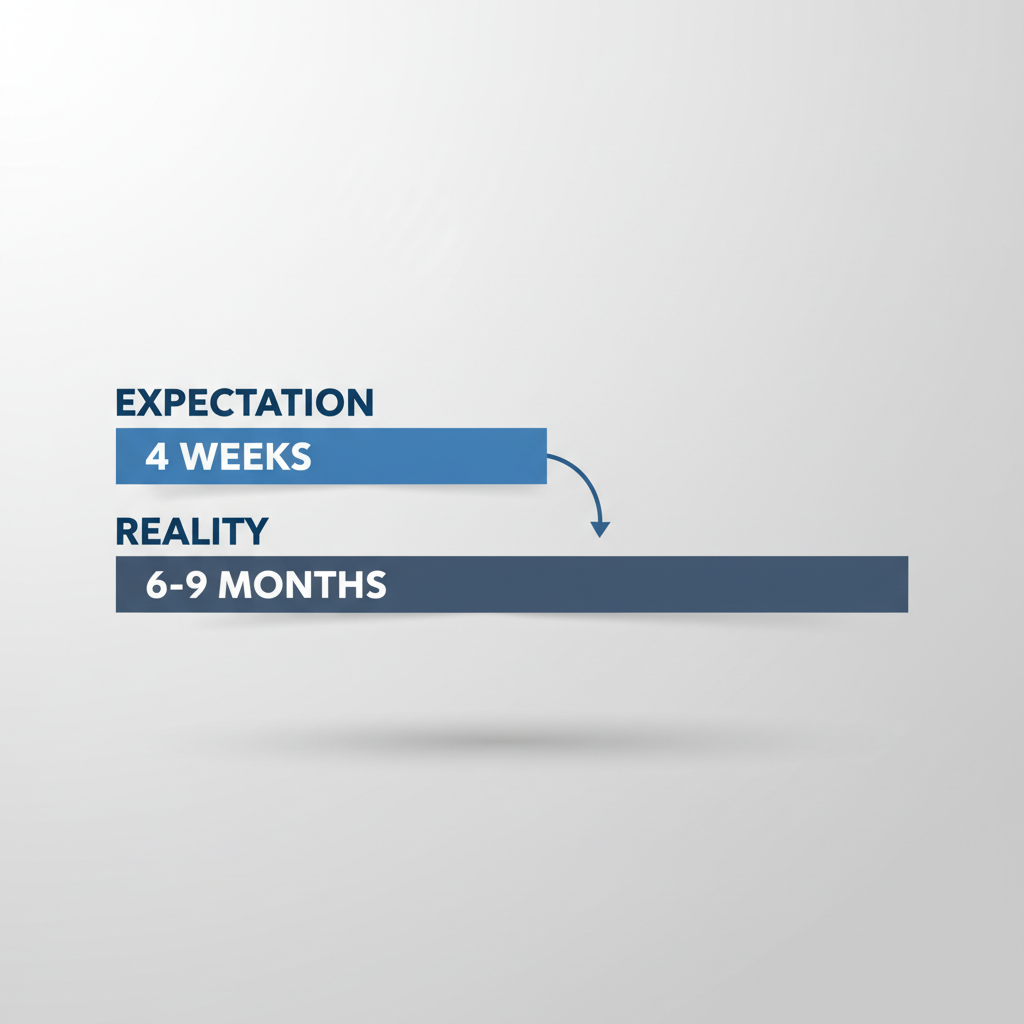
The Data: Generally, you should anticipate a timeline of 4 to 9 months for mid-to-senior level roles. Here is a rough breakdown based on market observations:
- Junior/Mid-Level (0-5 years exp): 1 to 3 months. High volume, faster turnover.
- Mid-Senior/Specialized (5-10 years exp): 3 to 6 months. High competition, multiple interview rounds.
- Senior/Executive (10+ years exp): 6 to 12 months. Often involves headhunters, board approvals, and budget restructuring.
Why the discrepancy? In the UAE, hiring a permanent employee is a significant commitment involving visa sponsorship, health insurance, and often severance accruals (gratuity). Companies do not hire lightly, and they are willing to wait months to find the "perfect" fit rather than settle quickly.
The Anatomy of the Delay: Why Does It Take So Long?
Understanding why the silence happens can help mitigate the anxiety of the search. It isn't always about you; often, it is structural.
1. Volume of Applicants
Dubai is a global talent magnet. A single job posting for a Finance Manager on LinkedIn can receive 1,000+ applicants within 24 hours. HR departments are often overwhelmed. Even with ATS software, sorting through this volume takes weeks. This is why using automation tools like basecareer.co is critical—you need to apply early and consistently to ensure visibility.
2. The Decision Hierarchy
Many organizations in the GCC (Gulf Cooperation Council) region have top-heavy decision-making structures. A hiring manager might love you, but the final sign-off might require the approval of a CEO or Chairman who is currently travelling. Delays in obtaining final signatures can freeze an offer for weeks.

“I kept getting rejections from London. Base Career rewrote my CV for Dubai, and I landed Emirates in 3 weeks.”
Sarah M. · Marketing Manager · UK 🇬🇧 → Dubai 🇦🇪
No credit card required
3. Seasonality is Real
Timing is everything in the Middle East. If you start your search in certain windows, you are guaranteed a longer wait:
- Ramadan: Working hours are reduced, and business slows down significantly. Decisions are often pushed until after Eid.
- The Summer Slump (July & August): With temperatures hitting 45°C+, key decision-makers often travel to Europe or cooler climates for extended breaks. Hiring essentially freezes.
- December: End-of-year budget closures often pause recruitment until January.
If you are applying in July expecting an offer in August, you are setting yourself up for disappointment. The Dubai market wakes up in September and January.
The Psychological Toll of the 'Waiting Game'
The hardest part of a 6-month job search isn't the resume writing; it is the mental battle. We frequently see candidates on Reddit and industry forums expressing burnout. They question their worth because they haven't received a callback in three weeks.

You must decouple your self-worth from the speed of the process. In Dubai, ghosting is cultural—not necessarily malicious. Recruiters rarely send rejection emails because of the sheer volume of applicants. Silence is the default state until it isn't.
For roles like Investment Banking or Management Consulting, the vetting process is rigorous. You might have a first interview, then wait 4 weeks for the second because the Partner is in Riyadh for a project. Resilience is your most valuable asset here.
How to Survive a 6-Month Search Strategy
Knowing that the timeline is long allows you to strategize effectively. Do not burn your resources on a sprint.
1. Manage Your Visa Strategy
The biggest mistake job seekers make is arriving on a tourist visa before they have traction. Burning through savings on Dubai accommodation while waiting for emails is stressful. Start your search remotely. Use basecareer.co to automate applications from your home country. Only fly in when you have interviews lined up or when the season is peak (September/January).
2. Automate the Tedious Work
If the average response rate is 2%, you need volume. However, spending 40 hours a week filling out forms leads to burnout. Use technology to your advantage. Let platform automation handle the volume of applications so you can spend your energy on high-value tasks: networking.
Base Career is most valuable in this phase because it helps reduce the exhausting manual effort behind sustained, relevant volume. Instead of filling out everything by hand, candidates can use it to support tailored resumes, role-specific cover letters, and a more consistent application rhythm over a long Dubai hiring cycle.3. Network Like Your Job Depends on It (Because It Does)
In the Middle East, wasta (connections/influence) plays a role, but modern networking is just as powerful. Cold applications often sit in a pile. A referral pushes you to the top.
- Reach out to peers in your target companies on LinkedIn (not just HR).
- Ask for virtual coffee chats to understand the company culture.
- Attend industry events if you are in the city.

Conclusion: Patience is Profitable
Getting hired in Dubai is rarely a quick win. It is a test of patience, financial planning, and persistence. If you are two months in and haven't heard back, you aren't failing—you are just in the middle of the process. Adjust your expectations from "weeks" to "months," and you will find the journey much less stressful.
The market rewards those who stick it out. While you focus on building connections and preparing for that critical interview, let Base Career take more of the repetitive work off your plate. The platform helps support tailored resumes, role-specific cover letters, and a more organized application workflow so your search keeps moving even when the hiring cycle is slow. Sign up for Base Career today and keep your job search moving, even while you sleep.
A long hiring cycle becomes much easier to survive when your application process is structured. Our step-by-step guide to applying for jobs in Dubai shows how to organize weekly applications, follow-ups, and platform choices, while our guide to local availability and GCC-based applications explains one of the biggest reasons timelines stretch for regional candidates.
If the timeline is dragging, the next question is usually diagnostic rather than motivational: why are you not getting interviews for Dubai jobs? In many cases the issue is not patience. It is channel choice, resume positioning, or application quality.
Land 4x more interviews in 27 days. Join Base Career Today.
Track applications, tailor resumes, and follow up faster in one UAE job search system.
Start freeNo credit card required

James T.
Canada 🇨🇦 → Riyadh 🇸🇦
“50 applications, zero replies with my Canadian CV. Base Career got me 4 Riyadh interviews and a Series B offer.”
Written by Base Career Research Team
Produced by the Base Career Research Team with AI, using Base Career job-market data, and published automatically. How our articles are made
Related Posts

Landing Your First Dubai Job: A Roadmap for Freshers and Graduates
Breaking into the UAE job market with zero experience is tough but not impossible. Here is your strategic roadmap to landing that first role in Dubai.

Is it Easy to Get a Job in Dubai From Overseas? The Honest Truth
Dreaming of a tax-free salary in Dubai but living abroad? We analyze the challenges of international applications and share a strategic roadmap for success.