How to Build a Maritime Career in Dubai's Blue Economy
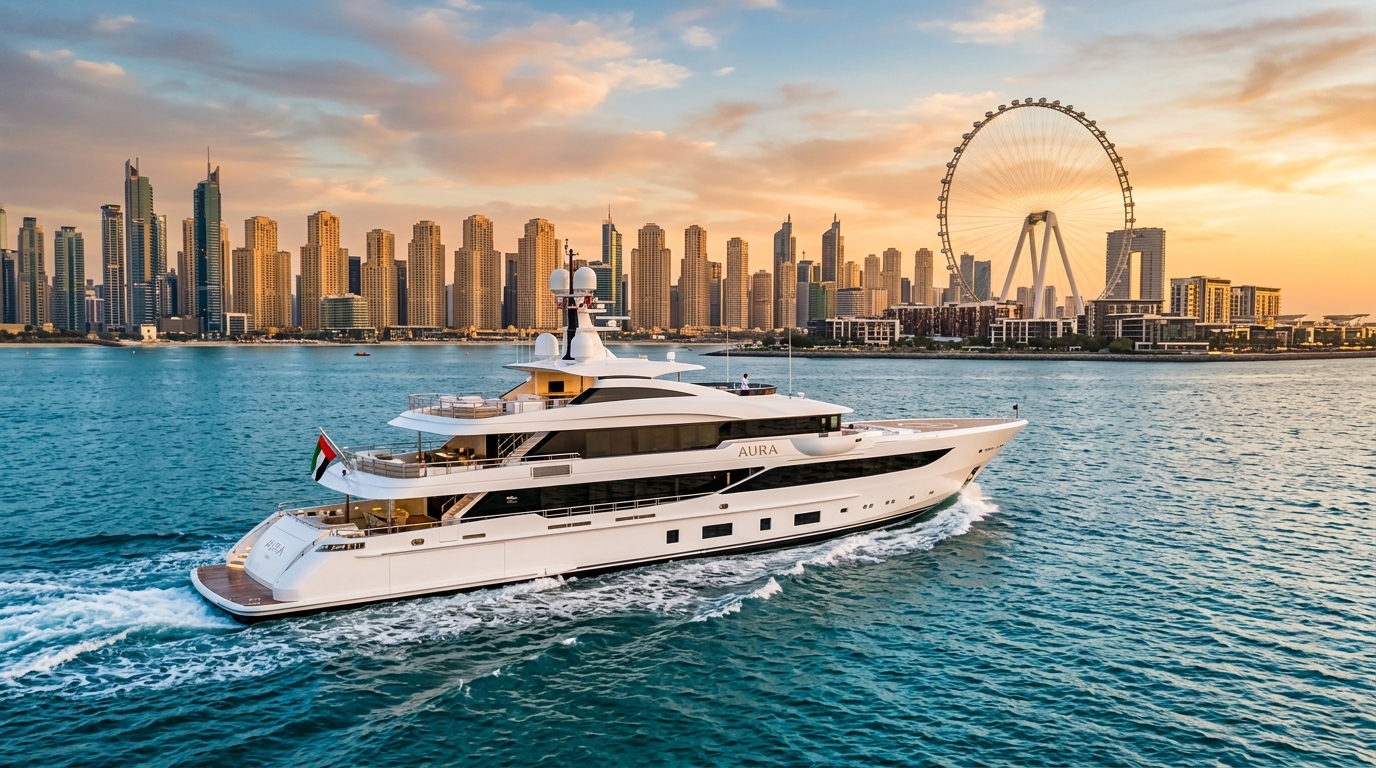
When most professionals think of the Dubai job market, their minds naturally gravitate toward real estate, technology, or finance. However, just beyond the gleaming skyscrapers lies one of the most dynamic and rapidly expanding sectors in the region: the Blue Economy. Driven by immense infrastructural investments, a thriving luxury tourism sector, and its strategic position as a global shipping hub, Dubai’s maritime industry is experiencing an unprecedented boom. From navigating multimillion-dollar superyachts past the Palm Jumeirah to managing critical vessel operations at Port Rashid, the demand for qualified maritime professionals has never been higher.
The United Arab Emirates has systematically positioned itself as a premier global maritime capital. This strategic focus has created a massive surge in hiring for boat captains, vessel crew, maritime technicians, and specialized marine engineers. Whether you are an experienced seafarer looking to relocate to a tax-free haven, or a hospitality professional seeking a lucrative career pivot into the luxury yachting sphere, the UAE offers a wealth of opportunities. However, breaking into this niche requires more than just a passion for the ocean; it demands a precise understanding of local licensing bodies, stringent safety certifications, and the unique networking culture of the docks.
In this comprehensive guide, we will explore everything you need to know about navigating Dubai’s maritime job market. We will break down the exact steps to secure your DMCA and RTA licenses, outline realistic salary expectations across different vessel classes, and provide actionable strategies for transitioning your existing skills into a thriving career on the water.
The Scope of Dubai’s Maritime Boom
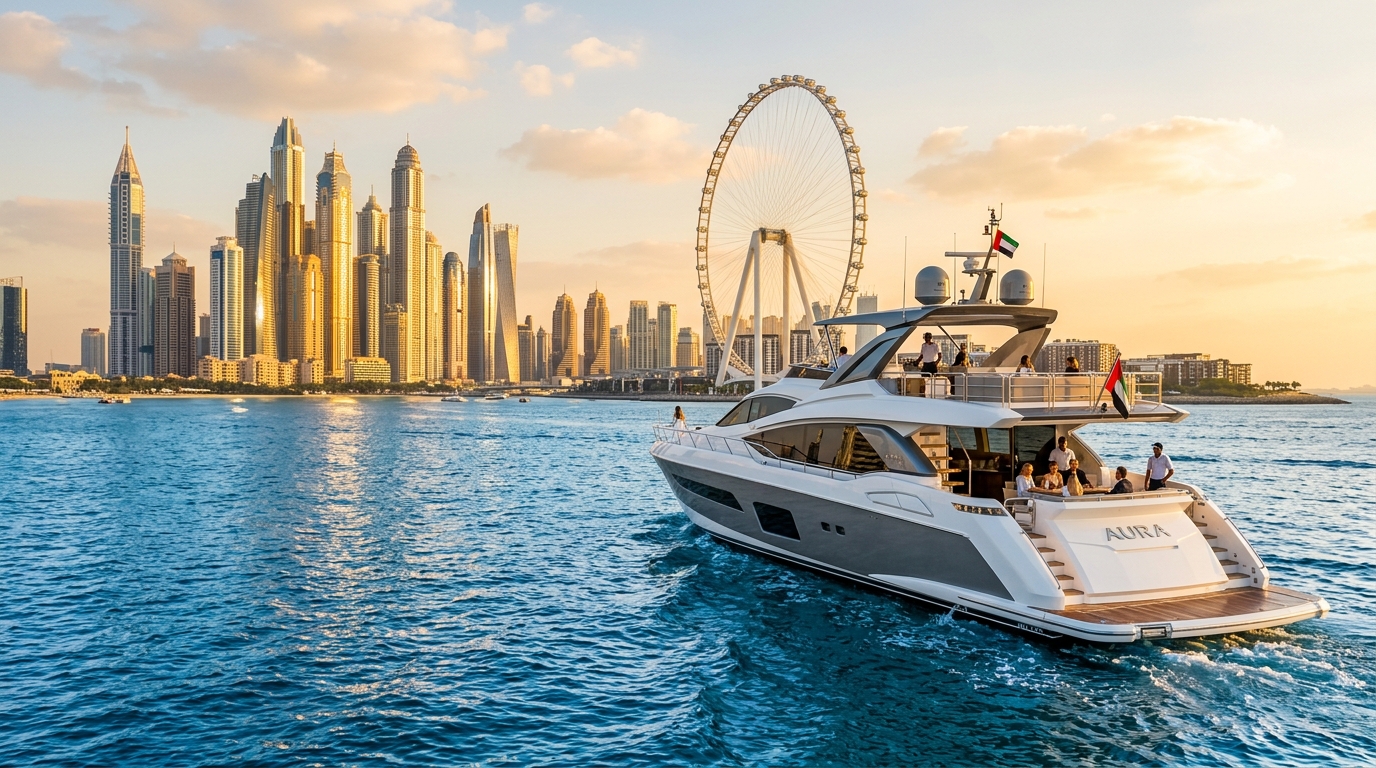
To understand the breadth of opportunities available, it is essential to look at the sheer scale of Dubai's maritime infrastructure. The sector is broadly divided into two main categories: commercial shipping and port operations, and the luxury marine and yachting industry. Both are experiencing rapid job creation, but they cater to very different skill sets and career trajectories.
On the commercial side, facilities like Port Rashid and Jebel Ali Port are the lifeblood of the region's trade. Jebel Ali is the largest man-made harbor in the world and the busiest port in the Middle East. Meanwhile, Port Rashid has transformed into a dual-purpose hub, handling significant commercial cargo while also serving as a premier cruise terminal and superyacht marina. The demand here is strictly operational: harbor masters, tugboat captains, marine technicians, marine safety inspectors, and heavy vessel crew are constantly sought after to keep the supply chains moving. For an overview of the broader supply chain ecosystem that interacts with these ports, checking out a career guide to Dubai’s logistics and shipping sector is highly recommended.
Conversely, the luxury sector is driven by Dubai’s status as a playground for the ultra-wealthy. Areas like Dubai Harbour, Dubai Marina, and the Bulgari Marina host hundreds of private and charter vessels. The charter market, in particular, has exploded. Tourists and residents alike frequently rent yachts for corporate events, weekend getaways, and sunset cruises. This creates a relentless demand for charter captains, deckhands, stewardesses, and private chefs. The UAE government’s recent initiatives to ease maritime regulations for foreign-flagged vessels have only accelerated this trend, drawing more superyachts to winter in Dubai rather than the Caribbean.
RTA and DMCA Licensing: Your Ticket to the Water
Unlike corporate roles where a university degree is the primary barrier to entry, the maritime industry operates on a strict system of vocational certifications and governmental licenses. You cannot simply step onto a boat and start working in the UAE without the correct legal documentation. The maritime industry is unique because it heavily prioritizes practical certifications over traditional university education. If you are navigating a Dubai job search without a degree, the blue economy offers an incredibly lucrative alternative path. Here is what you need to legally operate or crew a vessel in Dubai.
1. STCW Basic Safety Training
Before applying for any local licenses, almost all maritime professionals must hold a valid Standards of Training, Certification, and Watchkeeping (STCW) certificate. This is an international requirement mandated by the International Maritime Organization (IMO). The basic STCW course typically takes one week to complete and covers four critical modules: Personal Survival Techniques, Fire Prevention and Fire Fighting, Elementary First Aid, and Personal Safety and Social Responsibilities. Several maritime academies in Dubai and Abu Dhabi offer this training.
2. The Medical Fitness Certificate
Seafarers must be medically fit to handle the physical demands and emergency situations at sea. You will need to pass a specific marine medical examination to obtain a certificate equivalent to the internationally recognized ENG1. In the UAE, the General Civil Aviation Authority (GCAA) or specific DMCA-approved medical centers conduct these examinations, which test your eyesight, color vision, hearing, and overall physical health.
3. Dubai Maritime City Authority (DMCA) Licensing
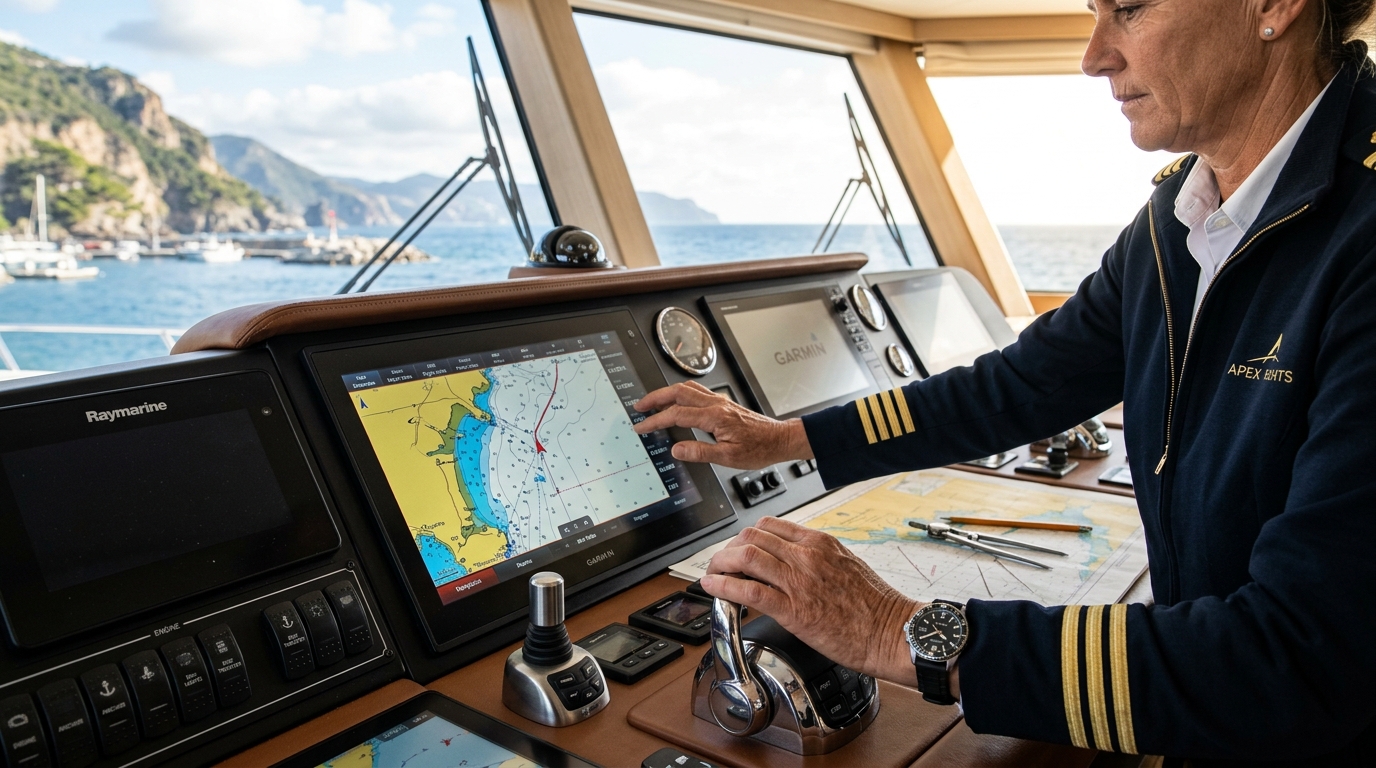
The DMCA is the primary regulatory body for maritime activities in Dubai. If you intend to work as a boat captain, you must obtain a DMCA Marine Craft Driving License. The type of license depends on the size of the vessel you wish to command (e.g., up to 12 meters, up to 24 meters, or unlimited). To secure this, you must present your STCW, your medical fitness certificate, pass a theoretical exam covering local navigation rules, and complete a practical driving assessment. It is important to note that holding a foreign captain's license (like a USCG or RYA Yachtmaster) is highly beneficial, but you still must convert or validate it through the DMCA to operate legally in Dubai waters.

“I kept getting rejections from London. Base Career rewrote my CV for Dubai, and I landed Emirates in 3 weeks.”
Sarah M. · Marketing Manager · UK 🇬🇧 → Dubai 🇦🇪
No credit card required
4. RTA Marine Transport Permits
For roles operating specific public transport vessels or navigating certain inland waterways (like the Dubai Water Canal or the traditional Abras on Dubai Creek), you may also need clearance or permits from the Roads and Transport Authority (RTA) Marine Agency. However, for standard private yachting and commercial offshore work, the DMCA remains the primary authority.
Maritime Salary Expectations in the UAE
Compensation in the maritime industry varies wildly based on the size of the vessel, the nature of the operations (private vs. commercial charter), and the candidate's experience level. One of the major financial advantages of the yachting industry is that living expenses are often completely subsidized. Crew members on larger vessels typically "live aboard," meaning their rent, utilities, and daily meals are entirely covered by the vessel owner. This allows for massive savings potential.
If you are currently working in a lower-paying service role on land, learning to pivot into the luxury maritime sector is one of the most effective ways of escaping the low salary trap in Dubai. Below is a general breakdown of monthly salary expectations (in AED) for standard maritime roles in the UAE market for 2026:
- Junior Deckhand / Junior Stewardess: AED 7,000 – AED 11,000. This is the entry-level tier. While the base pay is modest, charter vessels offer significant tips that can easily double monthly earnings during peak tourist season (October to April).
- Bosun / Lead Deckhand: AED 12,000 – AED 18,000. Requires a few years of experience and advanced maintenance skills (carpentry, painting, tender driving).
- Chief Stewardess: AED 18,000 – AED 25,000+. Responsible for the entire interior of the yacht, inventory, and VIP guest relations. Exceptional organizational and hospitality skills are mandatory.
- Marine Engineer (Y3/Y4 equivalents): AED 20,000 – AED 35,000+. Engineers are in incredibly high demand. Those who can troubleshoot complex diesel engines, generators, and HVAC systems on the water command premium salaries.
- Charter Boat Captain (Vessels under 24m): AED 15,000 – AED 25,000+. These captains usually run daily charters out of Dubai Marina. They often receive a percentage of the charter fee or direct tips from clients.
- Superyacht Captain (Vessels 40m+): AED 40,000 – AED 75,000+. A highly prestigious role reserved for seasoned veterans with Master unlimited or Master 3000gt tickets. Packages usually include extensive benefits, family health insurance, and annual bonuses.
It is crucial to factor in the "charter tip" economy when evaluating yachting salaries. On busy charter boats in Dubai, standard industry practice dictates a customary tip of 10% to 15% of the total charter fee, which is pooled and split evenly among the crew. During events like the Abu Dhabi Grand Prix or New Year's Eve, these tips can be astronomical, making the total compensation far higher than the base salary suggests.
Making the Leap: Transitioning from Hospitality to Yachting
The luxury yachting industry is, at its core, a highly specialized branch of the hospitality sector. Superyacht owners expect seven-star service, immaculate presentation, and absolute discretion. Because of this, candidates with a strong background in luxury hotels, fine dining, or high-end customer service are heavily favored by yacht crew recruiters. Many expats find themselves stuck in hospitality roles that don't match their financial goals. Transitioning to yachting is a prime example of executing a career pivot from a survival job into a specialized, high-growth industry.
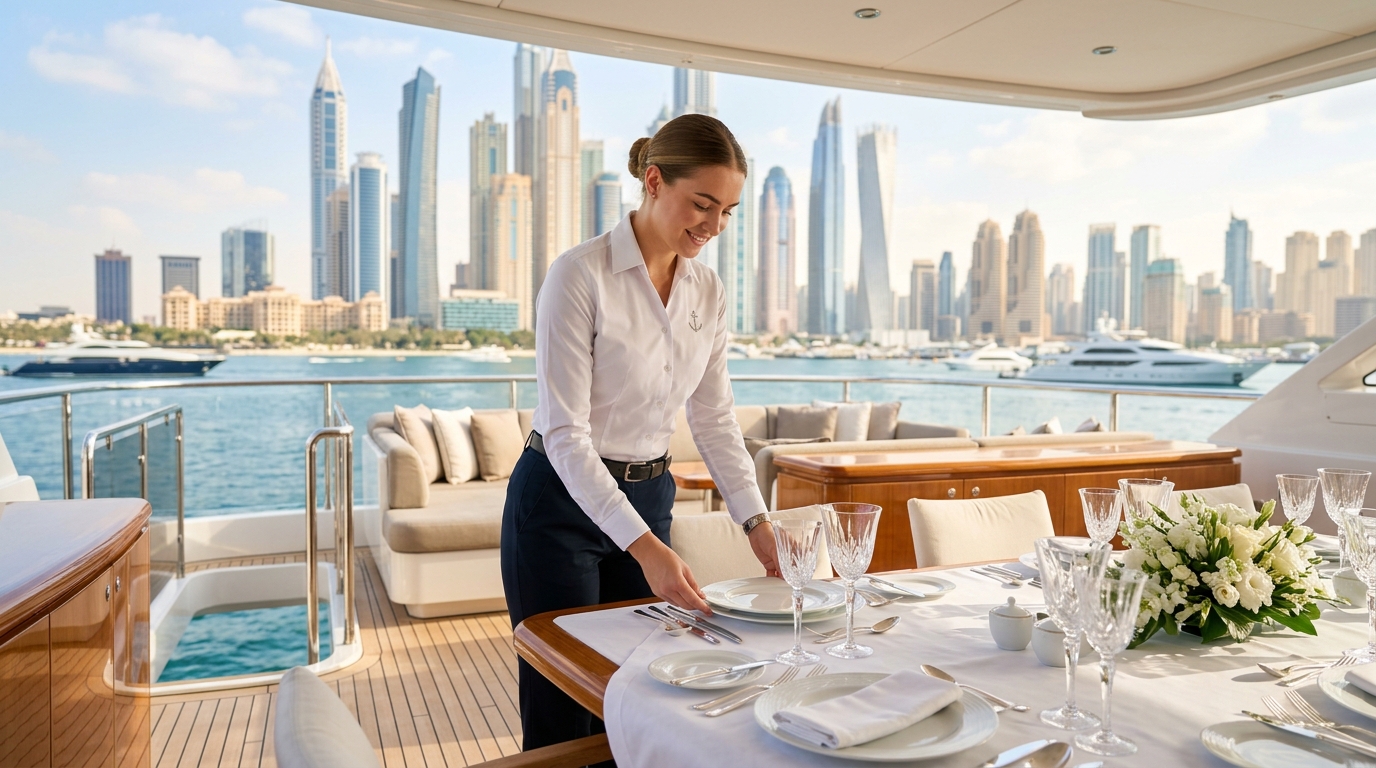
If you are a bartender, a silver-service waitress, a barista, or an executive housekeeper in Dubai, you already possess the exact soft skills required to be a successful yacht steward or stewardess. The key is translating your land-based resume into a format that maritime hiring managers understand. Yacht CVs are unique; they require a professional headshot (usually in a polo shirt), clearly listed maritime certifications (STCW, ENG1), and a concise profile highlighting your service style and adaptability.
To make the transition successfully, follow these strategic steps:
- Invest in Your STCW: You cannot be hired without it. Think of the STCW course fee as an investment in your career pivot. It demonstrates to captains that you are serious and ready to join immediately.
- Highlight Transferable Skills: Emphasize your experience with VIP clients, wine pairing, mixology, floral arrangement, or silver service. On a yacht, versatility is highly valued.
- Prepare for the Reality of the Role: Yachting is not just sailing in the sun. It involves incredibly long hours (often 12-16 hour days during trips), meticulous cleaning (detailing with cotton swabs is real), and living in cramped quarters with your colleagues. You must prove in interviews that you possess the mental resilience for this environment.
- Network at the Marinas: While "dockwalking" (walking down the marina handing out CVs to boats) is highly regulated and sometimes frowned upon by security in Dubai, networking at marina cafes, attending boat shows (like the Dubai International Boat Show), and registering with local crew agencies are highly effective strategies.
Where to Find Maritime and Yachting Jobs in Dubai
The maritime job search operates differently than the corporate world. While you might find a few listings on traditional job boards like LinkedIn or Indeed, the vast majority of yachting and maritime roles are filled through specialized channels.
Specialized Crew Agencies: Registering with reputable maritime recruitment agencies is your best first step. Agencies that specialize in placing crew in the Middle East have direct lines to yacht owners and management companies. Ensure your profile, references, and certificates are meticulously organized before reaching out to them.
Yacht Management Companies: Many of the largest superyachts in Dubai are not managed by the owners themselves, but by international yacht management firms that have local offices. Researching companies like Burgess, Camper & Nicholsons, and local equivalents, and applying directly through their crew portals can yield excellent results.
Daywork: If you are already in Dubai and have your STCW, looking for "daywork" is a common entry strategy. Daywork involves temporary, daily employment on a yacht to help with intensive cleaning, maintenance, or event setup. It pays a daily rate and, more importantly, acts as a working interview. Many captains prefer to hire their full-time crew from the pool of dayworkers who have already proven their work ethic on deck.
The Future: Sustainability and Marine Tech
As Dubai continues to expand its blue economy, the nature of maritime jobs is also evolving. There is a growing emphasis on marine conservation, sustainable tourism, and technological integration. The implementation of smart-port technologies at Jebel Ali and the rise of hybrid-electric luxury yachts are creating new niches for IT professionals, environmental scientists, and systems engineers within the maritime space. The blue economy is no longer just for traditional sailors; it is a high-tech frontier that will continue to drive UAE employment for decades to come.
Frequently Asked Questions
What licenses do I need to work as a boat captain in Dubai?+
Can I transition into Dubai yachting without prior maritime experience?+
Do yacht crew members in Dubai get their accommodation provided?+
Are maritime salaries in Dubai tax-free?+
Ready to Launch Your Career on the Water?
Dubai’s maritime boom presents a rare and exciting opportunity for professionals willing to navigate its unique requirements. Whether your goal is to command a commercial vessel through the bustling channels of Port Rashid, or to provide flawless silver service on a luxury superyacht anchored off the Palm, the blue economy is actively hiring. The key to success lies in securing the right certifications, understanding the specialized salary structures, and translating your existing skills to meet the high standards of the UAE maritime industry.
If you are ready to pivot your career, optimize your job search strategy, and connect with the top employers in the UAE, basecareer.co is here to help you navigate the process. Take the first step toward your new career by signing up today at https://app.basecareer.co/auth and start building your future in Dubai's thriving blue economy.
Land 4x more interviews in 27 days. Join Base Career Today.
Track applications, tailor resumes, and follow up faster in one UAE job search system.
Start freeNo credit card required

James T.
Canada 🇨🇦 → Riyadh 🇸🇦
“50 applications, zero replies with my Canadian CV. Base Career got me 4 Riyadh interviews and a Series B offer.”
Written by Base Career Research Team
Produced by the Base Career Research Team with AI, using Base Career job-market data, and published automatically. How our articles are made
Related Posts

Is it Easy to Get a Job in Dubai From Overseas? The Honest Truth
Dreaming of a tax-free salary in Dubai but living abroad? We analyze the challenges of international applications and share a strategic roadmap for success.

Building 'Wasta' from Scratch: Networking Strategies for Dubai Expats
Frustrated by 1,000+ applicants on LinkedIn? Learn how to build 'Wasta'—your professional network—from zero to access the UAE's hidden job market.