UAE Visa Changes 2026: Navigating the Instant Fine System

For decades, expatriates living and working in Dubai and the wider Emirates have relied on a comfortable bureaucratic safety net: the traditional visa grace period. Whether transitioning between jobs, wrapping up a final settlement, or packing up a family home, professionals always had an extra cushion of time to finalize their affairs without facing legal repercussions. However, the regulatory landscape is shifting dramatically. The April 2026 UAE Visa Changes: Navigating the New Instant Fine System is now the most critical administrative update every expat must understand. By eliminating the buffer period, the UAE government is transforming its immigration framework into a system that demands absolute precision from both employers and employees.
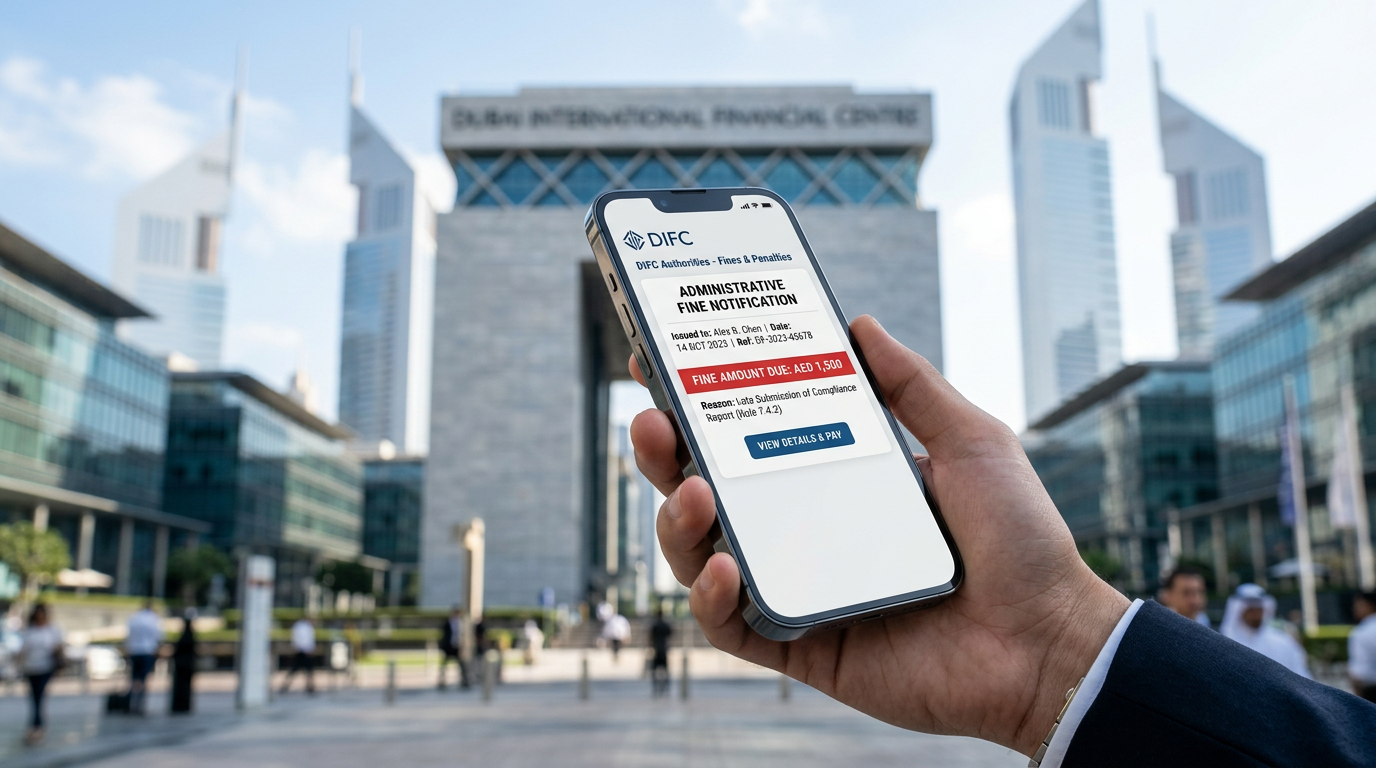
Starting in April 2026, the moment your employment or tourist visa is officially cancelled or reaches its expiration date, the clock strikes zero. There is no longer a 30-day or 180-day grace period to leisurely search for your next role, exit the country, or transition to a spouse's sponsorship. Instead, the system triggers an immediate, automated penalty protocol. Overstaying your legal welcome by even a single day will result in a daily AED 50 fine, which compounds rapidly and can lead to travel bans, frozen bank accounts, and severe complications for future UAE entry. For Western professionals accustomed to flexible transitional periods, this represents a fundamental shift in how relocation, career pivoting, and daily life must be managed.
This comprehensive guide dives deep into the mechanics of the 2026 visa update. We will explore exactly how the instant fine system operates, the step-by-step protocols you must follow when resigning or changing employers, and the strategic planning required for new arrivals seeking employment on tourist visas. In this new era, administrative delays are no longer an excuse, and proactive compliance is the only way to safeguard your career and financial stability in the Emirates.
The Dawn of a New Regulatory Era
To understand the magnitude of the April 2026 updates, we must first look at the historical context of UAE immigration laws. Previously, when a company cancelled an employee's work permit and residency visa via the Ministry of Human Resources and Emiratisation (MOHRE) and the General Directorate of Residency and Foreigners Affairs (GDRFA), the system automatically granted a 30-day grace period. In some specific redundancy cases during recent years, this was temporarily extended up to 180 days. This buffer allowed individuals to find a new employer, sort out their Ejari (tenancy contract), close utility accounts like DEWA, or simply pack up and leave the country without incurring fines.
The elimination of this grace period aligns with the UAE's broader digitalization and security goals. The Federal Authority for Identity, Citizenship, Customs and Port Security (ICP) has heavily invested in real-time tracking, AI-driven administrative systems, and automated border controls. By removing the gray area of the grace period, the government aims to ensure 100% real-time data accuracy regarding the legal status of its expatriate population. This streamlines labor market transitions, reduces the number of undocumented stays, and forces corporations to handle employee onboarding and offboarding with maximum efficiency.
For the average Western expat, this means the end of the "wait and see" approach. You can no longer afford to resign from your position and spend four weeks casually interviewing for your next role while your old visa ticks down. Every action must be calculated, pre-planned, and executed flawlessly in coordination with your human resources department and the designated Amer or Tasheel typing centers.

The Financial Mechanics: How Overstay Fines Compound
Understanding the immediate financial impact of the new regulations is crucial. The core penalty is straightforward: AED 50 for every single day you remain in the country without a valid visa. However, the true cost of an overstay is rarely limited to just the daily fine. The bureaucratic cascade that follows a visa expiration can quickly drain an expat's savings, making it essential to fully grasp the economic risks involved.
When your visa expires under the instant fine system, the AED 50 charge begins at midnight on day one. If you are a single professional who overstays for 20 days due to an administrative delay at your new company, your direct fine is AED 1,000. While this might seem manageable, consider the situation for an expatriate family. If a primary sponsor's visa expires, their dependents' visas are directly compromised. A family of four overstaying for 20 days incurs a collective fine of AED 4,000. In addition to these daily accruals, the system often levies exit permit fees, file lifting charges, and service fees at Amer centers just to clear the block on your profile.
Managing these unexpected cash demands can severely stretch a family's budget, similar to passing the AED 25,000 liquidity test required for standard move-in costs in Dubai. If your bank is notified of your final settlement and visa cancellation, they may freeze your accounts to protect outstanding credit card or loan balances. Facing daily compounding fines while locked out of your checking account is a nightmare scenario that perfectly illustrates why the instant fine system must be treated with absolute respect.
- AED 50 per day, per person, applied automatically at midnight upon visa expiration.
- ICP and GDRFA administrative file unlocking fees (ranging from AED 250 to AED 500).
- Potential issuance of an 'Absconding' case by former employers if cancellation isn't handled properly.
- Mandatory outpass fees if leaving the country with accrued fines.
- Bank account freezes triggered by the final salary settlement, restricting access to cash needed for fines.
Job Transitions: Switching Employers Under the New Regime
The most significant challenge posed by the April 2026 rules involves changing employers. In the past, the "in-between" phase was relatively relaxed. An employee would cancel their visa, take a few weeks off, and eventually hand over their documents to the new company's Public Relations Officer (PRO) to begin the new application. Today, that gap is a liability.
The key to a successful, fine-free transition is ensuring that the new employer has already secured the MOHRE labor quota and initiated the preliminary work permit approvals before your current employer executes the final visa cancellation. The sequence of events must be tightly choreographed. You must sign the new official offer letter, complete any required background checks, and get confirmation from the new HR team that they are ready to instantly upload your file for a "Status Change" the exact same day your old visa is cancelled.
This makes timing your notice period more critical than ever before. You cannot afford to serve a 30-day notice, cancel your visa, and then hope the new employer moves quickly. You must demand transparency from both HR departments. Establish a group email or a clear line of communication between your outgoing PRO and incoming PRO. If your new company is located in a Free Zone (like DIFC or DMCC) and your old company is Mainland (or vice versa), the administrative transfer can take longer, making the risk of instant fines even higher if the status change is not filed immediately.

“I kept getting rejections from London. Base Career rewrote my CV for Dubai, and I landed Emirates in 3 weeks.”
Sarah M. · Marketing Manager · UK 🇬🇧 → Dubai 🇦🇪
No credit card required
The removal of the 30-day grace period transforms the UAE visa process from a flexible buffer into a precision-based system. Strategic timeline planning is no longer optional for expats; it is an absolute financial necessity.
To protect yourself, never hand over your passport for cancellation until you have physical or digital proof that your new entry permit is ready to be issued. If there is an unavoidable gap due to a public holiday (like Eid) or an administrative block, you must immediately apply for a short-term tourist visa (status change inside the country) to bridge the gap legally, rather than simply accepting the daily AED 50 fines.
Strategic Arrival Planning for Tourist Visa Job Seekers
For decades, thousands of expats have flown into Dubai on 30-day or 60-day tourist visas with a printed stack of CVs, hoping to secure employment before their visitor status ran out. If they didn't succeed in time, the old grace period allowed them extra weeks to wrap up interviews or border-run to Oman for a reset. Under the April 2026 rules, this "arrive and figure it out" strategy is incredibly dangerous.
When your tourist visa hits its expiration date, the fines begin instantaneously. Considering that the average hiring cycle for mid-to-senior level roles in the UAE spans anywhere from four to eight weeks, relying on a 30-day or even 60-day visit visa without a pre-existing pipeline of interviews is a recipe for disaster. By the time you navigate multiple interview rounds, negotiate a salary, and wait for the company to process the initial MOHRE approvals, you will almost certainly breach your visa deadline.
Therefore, candidates must arrive highly prepared. Using targeted, high-velocity strategies to get a job in Dubai fast is now a matter of regulatory compliance as much as career progression. You must optimize your LinkedIn profile, engage with local recruiters, and secure virtual interviews weeks before you ever board a flight to Dubai or Abu Dhabi. The goal is to land in the country for final-stage, in-person interviews only, dramatically reducing the time spent on a tourist visa.
If you are nearing the end of your visit visa and an employer has offered you a job but hasn't finalized the paperwork, you have only two legal choices. First, you can pay to extend your visit visa from within the country via the ICP portal or an approved travel agency. Second, you can exit the country, return to your home nation, and wait for the official employment entry permit to be issued before flying back. Do not attempt to wait out the delay inside the UAE without legal status, as HR departments cannot legally onboard an employee who has an active overstay fine blocking their immigration file.
Safeguarding Your Family: Dependent Visas and Sponsorship
One of the most complex aspects of the new instant fine system is how it cascades through family sponsorships. In the UAE, an expatriate's legal status dictates the legal status of their spouse and children. When a primary sponsor resigns from their job, their employment visa is cancelled. By law, all dependent visas linked to that sponsor must either be cancelled first or placed "on hold" (a service available under specific conditions through the GDRFA with a substantial financial deposit).
Without the 30-day grace period, a gap in the primary sponsor's employment status instantly renders the dependents out of status. If a father cancels his visa on a Tuesday to switch companies, his wife and children will begin accruing AED 50 fines per person, per day, starting Wednesday, unless their visas were successfully placed on hold or transitioned to an alternative visa type. Over a mere ten days, a family of five would rack up AED 2,500 in fines, not including file unlocking fees.
To manage this, families must utilize the "Hold Dependent Visa" service before the sponsor's visa is cancelled. This requires bringing the new signed employment contract, the new company's establishment card, and a refundable deposit (often up to AED 5,000) to an Amer center. This process legally parks the dependents' visas, shielding them from the instant fine system while the sponsor transitions to the new employer. Once the sponsor's new Emirates ID is issued, the family visas are un-paused, and the deposit is returned.
Step-by-Step Visa Renewal Guide for 2026
It is not just transitioning expats who are at risk; current residents who fail to renew their visas on time face the exact same penalties. Under the instant fine regime, administrative delays in the renewal process—such as a delayed medical fitness test result or a system glitch at the Federal Authority for Identity and Citizenship—will not exempt you from daily fines once the expiration date passes.
The UAE government allows residents to begin the visa renewal process up to 90 days before the actual expiration date. Historically, many HR departments would wait until the final week of validity to begin the paperwork. This practice is now highly negligent. Employees must actively track their visa and Emirates ID expiration dates and push their HR teams to initiate the renewal process at least 45 to 60 days in advance.
If your renewal requires you to update your Ejari, secure new health insurance certificates, or undergo an extensive medical fitness check, doing so a month in advance ensures that any unforeseen bureaucratic hurdles do not push you past your deadline. For more comprehensive insights into maintaining compliance and navigating the modern labor market, refer to our complete expat guide to job hunting in the UAE, which details the documentation standards expected by top-tier employers.
- Audit your current visa: Check the expiration date on your digital Emirates ID via the ICP app today.
- Set reminders: Place calendar alerts 90, 60, and 30 days prior to expiration.
- Initiate HR contact: Formally email your HR department at the 60-day mark requesting renewal initiation.
- Complete medical early: Schedule your DHA or SEHA medical fitness test as soon as the application is typed.
- Monitor the digital portal: Do not assume HR has handled it. Verify your renewed status personally on the GDRFA or ICP portals.
Handling Emergencies: What to Do If You Overstay
Despite the best-laid plans, emergencies happen. A new employer might suddenly rescind an offer after your previous visa is cancelled, or a severe illness could prevent you from flying out of the country before your visit visa expires. If you find yourself trapped in the instant fine system, immediate, documented action is your only recourse to minimize the financial and legal damage.
First, never ignore the fines hoping they will simply vanish or that immigration officers won't notice at the airport. You will be stopped at passport control, missing your flight and potentially facing detention if the fines are exorbitant. Instead, immediately access the ICP website or the Dubai Now app to check your exact fine balance. You can pay these fines online via credit card to instantly clear the block on your immigration file.
If the overstay was caused by factors genuinely outside your control—such as a proven medical emergency requiring hospitalization or a documented legal dispute with an employer—you have the right to apply for a fine grievance or reduction through the GDRFA portal. This process involves submitting medical records, court documents, or police reports. While fine reductions are completely at the discretion of the immigration committee, acting transparently and promptly drastically improves your chances of leniency compared to ignoring the issue.
Frequently Asked Questions
When do the new UAE visa rules take effect?+
How much is the daily fine for overstaying a UAE visa?+
Can I stay in the UAE while my new employer processes my visa?+
Do tourist visas also face the instant fine system?+
Final Thoughts: Proactive Planning is Your Best Defense
The removal of the 30-day grace period marks a turning point for professionals in the Middle East. The days of relaxed job hunting and casual transitions between roles have been permanently replaced by a fast-paced, highly regulated environment. Navigating the 2026 UAE visa changes requires you to be hyper-organized, financially prepared, and relentlessly proactive regarding your legal status. If you are planning a job change, the most crucial step you can take is to secure your next role and finalize the hiring paperwork long before you ever hand in your resignation letter to your current employer.
You do not want to be caught fighting the clock and facing instant daily fines while frantically searching for opportunities. Platforms like Base Career scan UAE job boards daily and match openings to your profile, so you stop missing relevant roles and secure employment well before your visa deadline becomes a crisis. By utilizing targeted automation, you can navigate these strict regulatory changes with confidence and keep your career trajectory on track. Try it free at https://app.basecareer.co/auth.
Land 4x more interviews in 27 days. Join Base Career Today.
Track applications, tailor resumes, and follow up faster in one UAE job search system.
Start freeNo credit card required

James T.
Canada 🇨🇦 → Riyadh 🇸🇦
“50 applications, zero replies with my Canadian CV. Base Career got me 4 Riyadh interviews and a Series B offer.”
Written by Base Career Research Team
Produced by the Base Career Research Team with AI, using Base Career job-market data, and published automatically. How our articles are made
Related Posts

Is it Easy to Get a Job in Dubai From Overseas? The Honest Truth
Dreaming of a tax-free salary in Dubai but living abroad? We analyze the challenges of international applications and share a strategic roadmap for success.

Landing Your First Dubai Job: A Roadmap for Freshers and Graduates
Breaking into the UAE job market with zero experience is tough but not impossible. Here is your strategic roadmap to landing that first role in Dubai.