How to Beat ATS Filters for UAE Job Applications in 2026
.png)
Ankush Wadhwa
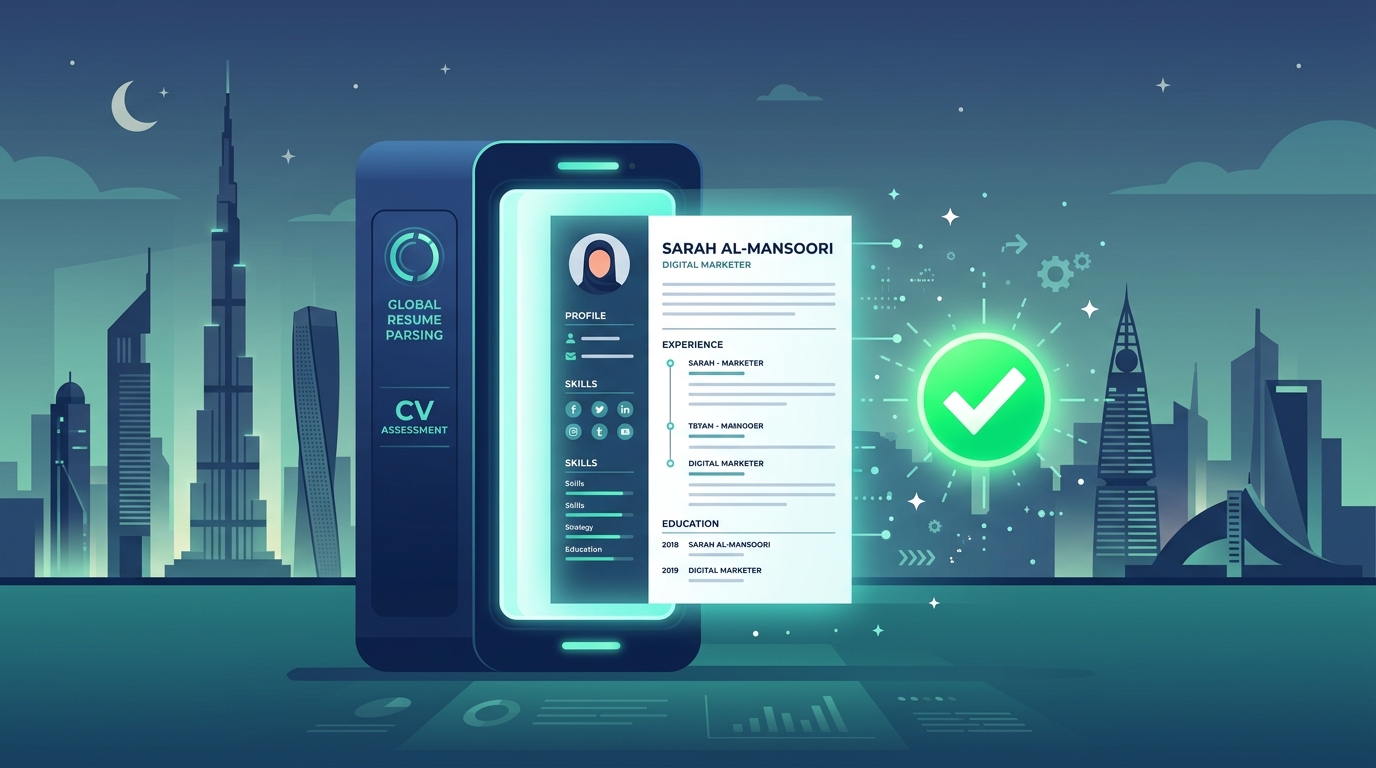
If you are a job seeker in Dubai right now, you know the frustration. You spend hours crafting your cover letter, hit apply on a role you are perfectly qualified for, and then... nothing. You join the ranks of candidates who have applied to 20 or more positions with zero callbacks. Before you start questioning your skills, experience, or the state of the market, you need to look at the silent gatekeeper standing between you and the hiring manager: the Applicant Tracking System (ATS). Learning how to beat ATS Dubai filters is the single most important technical skill for your 2026 job hunt.
Why Most UAE Job Applications Disappear Into the Void
The UAE job market is incredibly fast-paced and highly competitive. A single opening on local portals like Bayt or a LinkedIn Easy Apply post can attract upwards of 1,000 applicants within 48 hours. Human resources departments at large multinational corporations, regional conglomerates, and major banks simply do not have the manpower to manually review every single CV.
Instead, they rely on an applicant tracking system UAE jobs filter to do the heavy lifting. These software platforms scan, parse, and rank resumes based on predefined criteria set by the recruiter. If your resume isn't formatted in a way the software can understand, it gets instantly discarded into a digital black hole—even if you are the absolute perfect candidate for the role.
How Applicant Tracking Systems Work in the UAE
An ATS is essentially a private search engine utilized by recruiters. When you upload your resume, the software strips away all the visual formatting and attempts to organize the raw text into a standardized digital profile. It actively looks for contact information, chronological work history, education, and very specific keywords related to the job description.
As hiring technology evolves across the Gulf—with many top-tier financial institutions even integrating video screening tools like HireVue—the initial text-parsing phase remains the critical first hurdle. If the system cannot read your document cleanly, you are assigned a low match score. Consequently, your application is archived without a human ever laying eyes on it.

The Biggest Mistakes Triggering ATS Rejections
Most candidates unknowingly sabotage their applications before they even begin. Here are the most common reasons your resume is failing to pass ATS filters UAE.
1. Unreadable Formatting and Complex Designs
Those highly designed, multi-column Canva templates might look beautiful and creative to the human eye, but they are an absolute nightmare for parsing bots. An ATS reads documents sequentially from top to bottom and left to right. When it encounters sidebars, text boxes, tables, or complex graphics, it gets confused. The text often becomes jumbled, causing your most impressive career achievements to be parsed as complete gibberish.

“I kept getting rejections from London. Base Career rewrote my CV for Dubai, and I landed Emirates in 3 weeks.”
Sarah M. · Marketing Manager · UK 🇬🇧 → Dubai 🇦🇪
No credit card required
2. Missing Exact-Match Keywords
Applicant tracking systems are notoriously literal, especially the legacy platforms still heavily used by large UAE holding companies. If a job description specifically asks for 'Search Engine Optimization' and your resume only lists 'SEO', an older ATS might not recognize the match. Failing to mirror the exact terminology and phrasing used by the employer is one of the fastest ways to lower your candidate ranking score.
3. Incorrectly Placed Personal Details
In the Middle East, the rules around what to include on a CV can be incredibly confusing. While we often discuss the strategic merits of including personal details on a Dubai resume, from a purely technical standpoint, where you put them matters immensely. Placing your contact information, email, or LinkedIn URL inside the header or footer of a Microsoft Word document is a major error. Many ATS platforms simply cannot read data stored in headers, meaning your digital profile might be created without any way for the recruiter to actually contact you.
You aren't being rejected because you lack experience; you're being rejected because a software program couldn't figure out how to read your experience.
How to Reverse-Engineer Job Descriptions
If you genuinely want to know how to pass ATS UAE, you need to learn to speak its language natively. This requires reverse-engineering the job description for every single role you apply for. Here is how to extract the right data effectively:
- Scan the 'Requirements' and 'Responsibilities' sections for repeated hard skills (e.g., Python, Agile Management, Financial Modeling).
- Identify the exact job title the employer is using and ensure it appears prominently near the top of your resume.
- Look for specific software, compliance standards, or operational tools mentioned and include them in a dedicated 'Technical Skills' section.
- Adopt the company's internal phrasing—if they use 'Client Relations' instead of 'Customer Service', update your text to match exactly.
However, simply stuffing your resume with isolated keywords will not secure you the job once a human recruiter finally reads it. The ATS might let you through the door, but to win the interview, you must weave these exact keywords naturally into bullet points that demonstrate outcome-based metrics and real, measurable achievements.
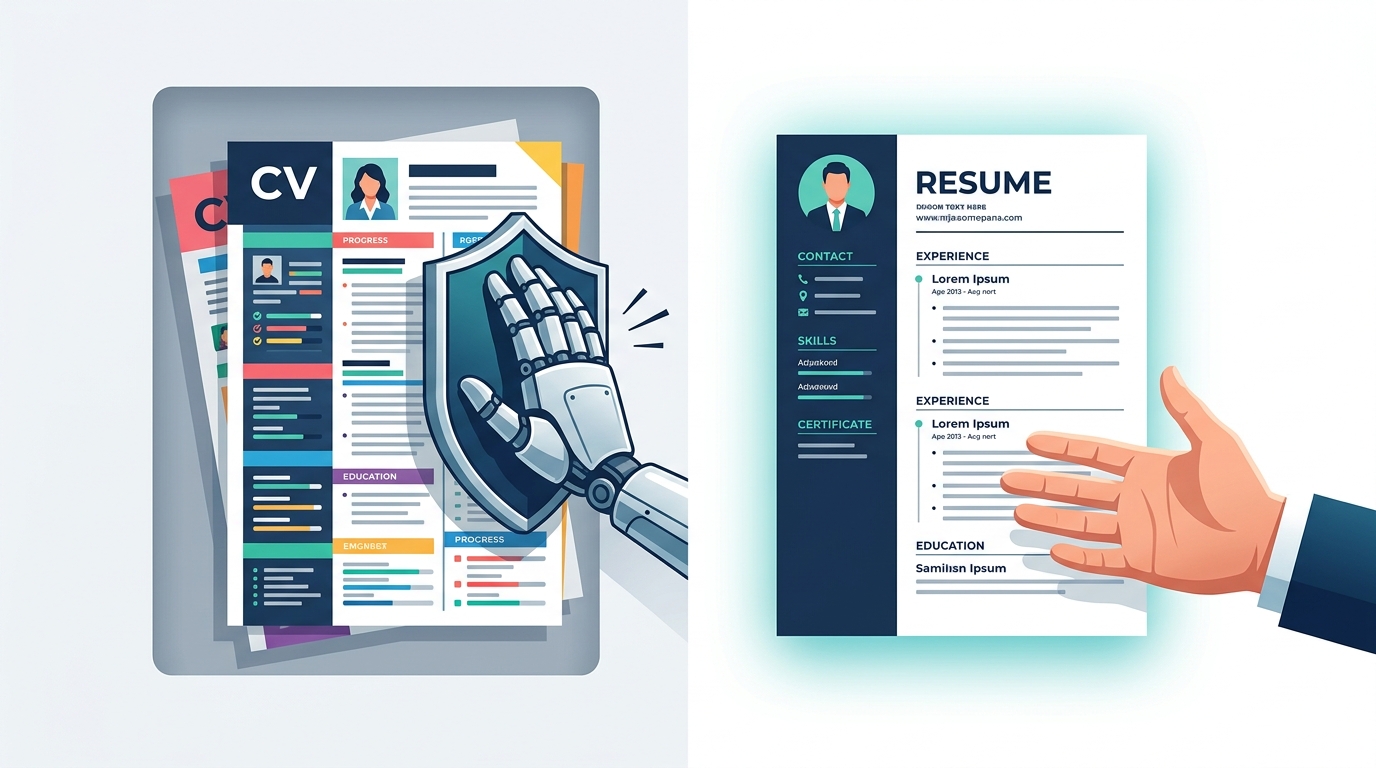
ATS Resume Tips Dubai 2026: The Golden Formatting Rules
To guarantee your resume is parsed correctly every single time by both modern AI screeners and legacy corporate systems, strictly follow these non-negotiable formatting rules:
- Use standard, web-safe fonts like Arial, Calibri, Helvetica, or Times New Roman.
- Stick to a simple, single-column layout with clear, traditional hierarchical headings (e.g., Work Experience, Education, Technical Skills).
- Avoid using embedded images, company logos, or decorative icons, as these cannot be read by text parsers.
- Use standard bullet points (solid black circles or squares) rather than custom symbols or checkmarks.
- Test your PDF before uploading: highlight the text, copy it, and paste it into a plain Notepad file. If the text pastes cleanly and sequentially, an ATS can read it.
Bypassing the Manual Grind with AI Tailoring
Understanding the theory of how to beat ATS filters is one thing; actually executing it for every single job application is quite another. Manually tweaking your resume to match exact keywords, adjusting job titles, and verifying formatting rules for 20 different applications a week is exhausting. It is also highly prone to human error. This is where modern career automation levels the playing field.
By utilizing specialized AI-driven platforms, you can instantly analyze a target job description, identify the missing keywords, and automatically reformat your experience to match the exact requirements of the ATS—all without destroying your core professional narrative. The most successful candidates in 2026 aren't working harder to manually rewrite their CVs; they are applying smarter by automating the optimization process.
Stop letting rigid algorithms automatically reject your hard-earned professional experience. Take absolute control of your UAE job search by ensuring your resume is perfectly optimized for every single role you target. Sign up for Base Career today to get your resume AI-tailored instantly, beat the bots, and finally start landing the Dubai interviews you deserve.
ATS performance also changes depending on where you apply. If you are deciding between one-click platforms and direct portals, review Easy Apply vs company career pages for Dubai jobs so you can match your resume format and keyword strategy to the actual channel you are using.
Land 4x more interviews in 27 days. Join Base Career Today.
Tailor your resume for every role with a workflow built for faster applications.
Start freeNo credit card required

James T.
Canada 🇨🇦 → Riyadh 🇸🇦
“50 applications, zero replies with my Canadian CV. Base Career got me 4 Riyadh interviews and a Series B offer.”
Written by Ankush Wadhwa
Helping you accelerate your career with AI-powered tools.
Related Posts

Is it Easy to Get a Job in Dubai From Overseas? The Honest Truth
Dreaming of a tax-free salary in Dubai but living abroad? We analyze the challenges of international applications and share a strategic roadmap for success.

Landing Your First Dubai Job: A Roadmap for Freshers and Graduates
Breaking into the UAE job market with zero experience is tough but not impossible. Here is your strategic roadmap to landing that first role in Dubai.