Hiring in Dubai During Ramadan 2026: What UAE Job Seekers Need to Know
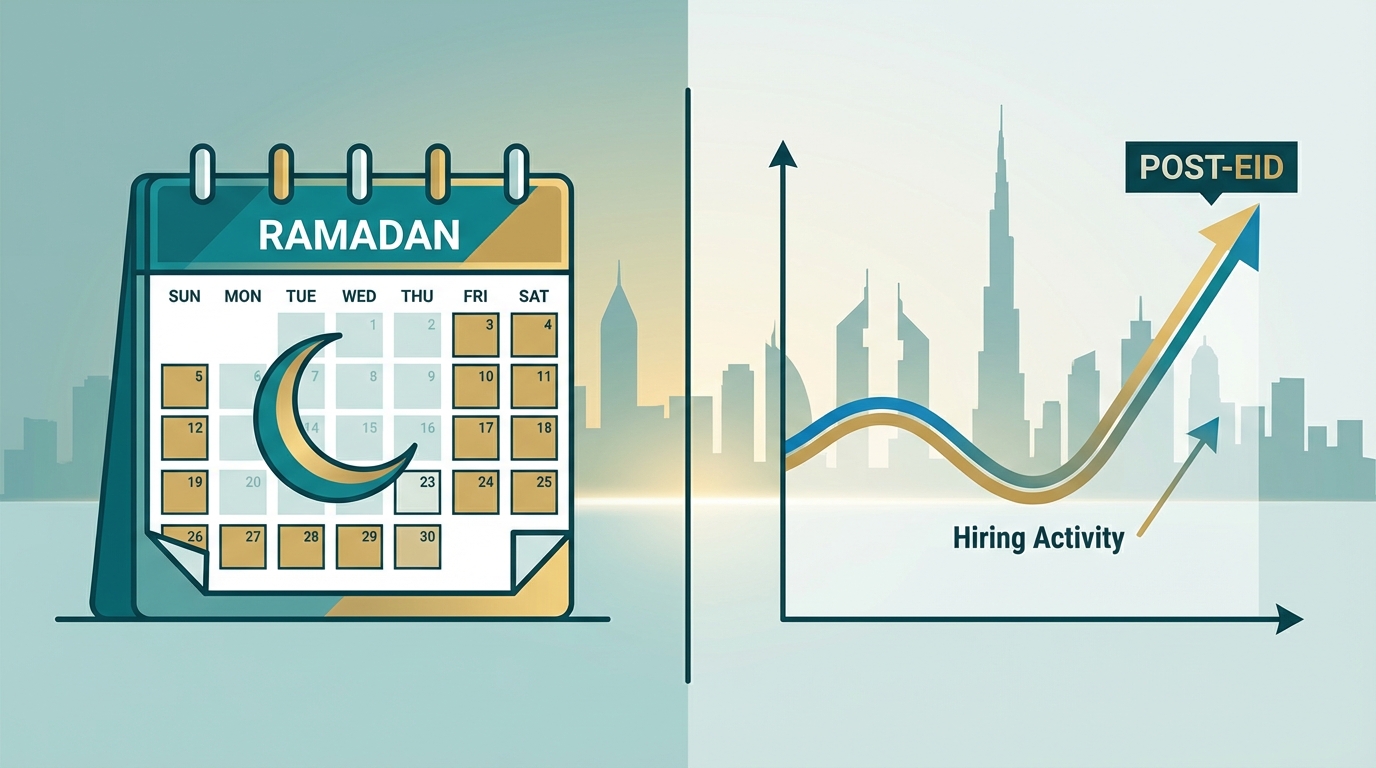
If you are actively looking for a job in the UAE, you might have noticed a sudden shift in momentum. Emails have gone quiet, LinkedIn messages are left on read, and your application status seems permanently frozen at "Under Consideration." If this sounds familiar, welcome to the Ramadan slowdown.
For professionals new to the region, the Holy Month of Ramadan can be a confusing time for job hunting. There is a pervasive myth that business in Dubai comes to a complete halt. While it is true that the pace changes significantly, hiring does not stop entirely. Instead, it shifts gears. Understanding the cultural and operational nuances of this month is crucial for maintaining your sanity and optimizing your strategy while others hit the pause button.
Why the Dubai Job Market Slows Down During Ramadan
To navigate the slowdown, you first need to understand the logistics behind it. In the UAE, labor laws mandate reduced working hours during Ramadan for the private sector—typically by two hours daily. While this may not sound like a drastic reduction, the cumulative effect on corporate productivity is significant.
Furthermore, the daily routine shifts. Late-night prayers and Suhoor gatherings mean the workday often starts later and ends earlier to accommodate Iftar. Energy levels can fluctuate, and the focus in many organizations shifts from expansion (hiring new talent) to maintenance (keeping current operations running smoothly).
Perhaps the biggest factor affecting your application is the absence of key decision-makers. Ramadan is a popular time for senior management and HR directors to take annual leave or travel for Umrah. In the Middle East, hiring decisions—especially for mid-to-senior roles—are rarely made by committee alone; they often require the final sign-off from a specific leader. If that leader is out of the office, the process stalls.
The 'Under Consideration' Limbo: What It Really Means
One of the most frustrating aspects of job searching in Dubai during this season is the dreaded application limbo. You applied, perhaps even had a screening call, and now—silence. Your portal dashboard says "Under Consideration," but days turn into weeks.
During Ramadan, this status rarely means you have been rejected. More often, it means the recruitment pipeline is congested. Here is the reality of what is happening behind the scenes:
- Scheduling Conflicts: Coordinating interviews becomes a logistical nightmare when working hours are shorter and interview panels are fasting.
- Budget Pauses: Some companies hold off on finalizing offers until after the Eid al-Fitr holiday to align with the return of their finance or strategy heads.
- Inbox Fatigue: Recruiters are working fewer hours but receiving the same volume of emails. Prioritization becomes ruthless, and updates to candidates often fall to the bottom of the list.
Ramadan isn't a rejection; it's a pause. The candidates who succeed are the ones who use this downtime to sharpen their tools rather than giving up.
Should You Stop Applying?

“I kept getting rejections from London. Base Career rewrote my CV for Dubai, and I landed Emirates in 3 weeks.”
Sarah M. · Marketing Manager · UK 🇬🇧 → Dubai 🇦🇪
No credit card required
Absolutely not. While the hiring slows down, the posting of jobs often continues. Many companies operate on automated posting schedules, or departments prepare their pipelines for the post-Eid rush.
Stopping your search now is a mistake. In fact, because many job seekers assume the market is dead and stop applying, there is often less competition for roles posted during the Holy Month. If you apply now, your CV is sitting in the inbox ready to be reviewed the moment the team returns to full capacity.
However, you must adjust your expectations regarding response times. Follow up gently, but do not be aggressive. A follow-up email that acknowledges the busy season shows cultural awareness and emotional intelligence.
Turning Downtime into Opportunity: The Majlis Effect
If the HR departments are slow, where should you focus your energy? The answer lies in Dubai’s unique social fabric during Ramadan: the Iftar and Suhoor gatherings. This is the prime season for what we call "The Majlis Effect."
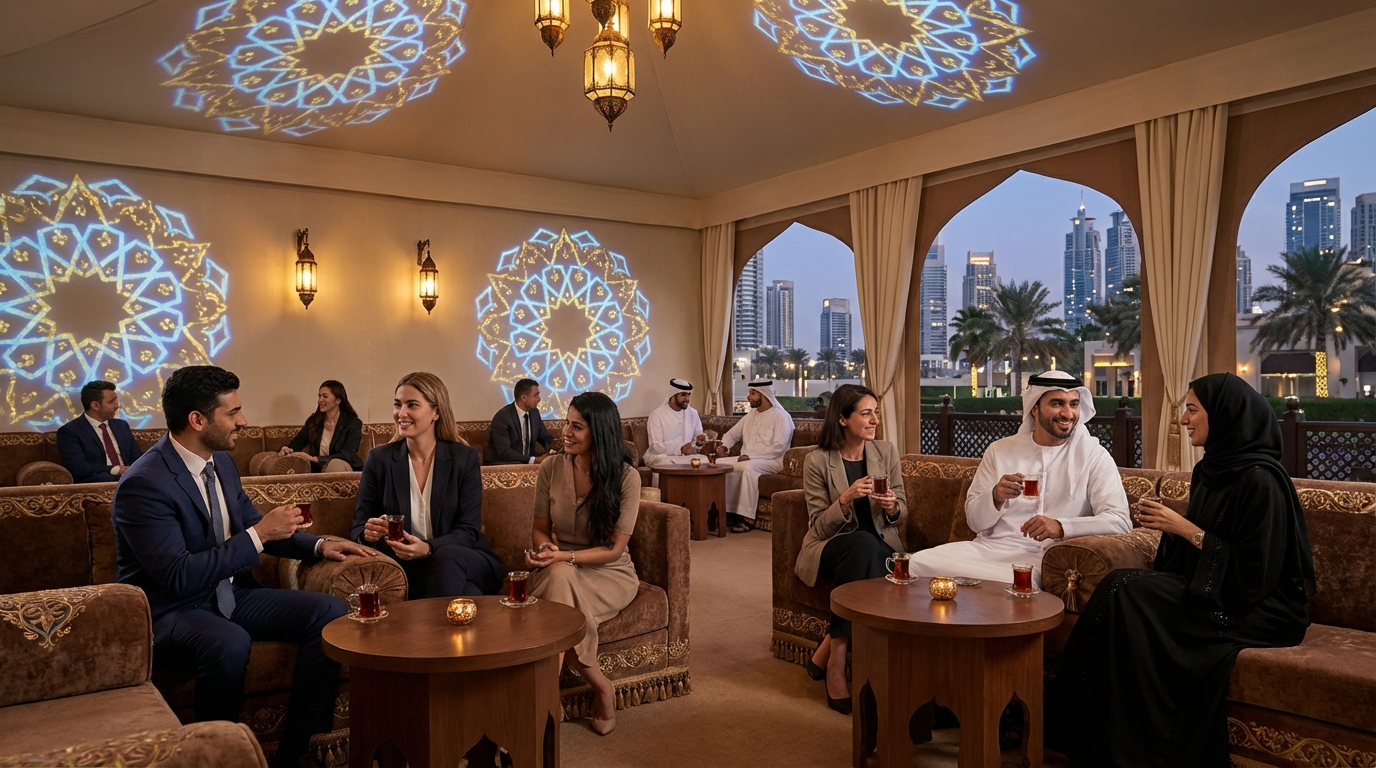
In the Middle East, business is driven by relationships (Wasta). During Ramadan, the barriers between professional and social life soften. Corporate Iftars and late-night Suhoors are where genuine connections are made.
How to Network Respectfully During Ramadan
- Focus on Suhoor: While Iftar is for breaking the fast (often with family or quickly after work), Suhoor events start later (9:00 PM onwards) and are more relaxed and social. This is where business conversations naturally happen.
- Don't Hard Sell: This is not the time to shove a CV in someone's face. Ask about their industry, their challenges, and their Ramadan experience. Build the relationship first; the job referral comes later.
- Be Culturally Sensitive: Dress modestly, respect the fasting hours if meeting during the day (no eating/drinking in front of fasting colleagues), and use the greeting "Ramadan Kareem."
Prepare for the Post-Eid Boom
Historically, the weeks immediately following Eid al-Fitr see a massive spike in recruitment activity in the UAE. Budgets are unlocked, decision-makers return from vacation refreshed, and the backlog of interviews is cleared rapidly.
If you wait until after Eid to start preparing, you will be behind the curve. Use the slower pace of Ramadan to audit your professional assets using tools like basecareer.co. Is your resume ATS-optimized for the Dubai market? Is your LinkedIn profile showcasing your achievements clearly? Are your cover letters generic or tailored?
Your Checklist for the Final Week of Ramadan:
- Update your CV with any new skills or certifications gained during the month.
- Draft follow-up emails for all pending applications, ready to send 3-4 days after Eid.
- Identify 10 target companies that you will approach aggressively once business returns to normal.
Summary: Patience Pays Off
The "Ramadan Slump" is only a disadvantage if you let it paralyze your search. By understanding the seasonal rhythm of Dubai, you can pivot your strategy from high-volume applications to high-quality networking and preparation.
While the hiring managers are pausing, you should be preparing. Automate the tedious parts of your job search so you can focus on the human connections that matter most in this region.
Ready to be first in line when the hiring freeze thaws? Don't let the slowdown stop your momentum. Use Base Career to automate your applications and optimize your resume while you enjoy the season. Sign up for free today and prepare for the post-Eid hiring surge.
Frequently Asked Questions
Does hiring slow down in Dubai during Ramadan?+
Should I still apply for jobs in Dubai during Ramadan?+
When is the best time to job search in Dubai around Ramadan?+
Land 4x more interviews in 27 days. Join Base Career Today.
Track applications, tailor resumes, and follow up faster in one UAE job search system.
Start freeNo credit card required

James T.
Canada 🇨🇦 → Riyadh 🇸🇦
“50 applications, zero replies with my Canadian CV. Base Career got me 4 Riyadh interviews and a Series B offer.”
Written by Base Career Research Team
Produced by the Base Career Research Team with AI, using Base Career job-market data, and published automatically. How our articles are made
Related Posts

Landing Your First Dubai Job: A Roadmap for Freshers and Graduates
Breaking into the UAE job market with zero experience is tough but not impossible. Here is your strategic roadmap to landing that first role in Dubai.

Is it Easy to Get a Job in Dubai From Overseas? The Honest Truth
Dreaming of a tax-free salary in Dubai but living abroad? We analyze the challenges of international applications and share a strategic roadmap for success.