The EHS Health Card: How Western Expats Save on UAE Medical Costs
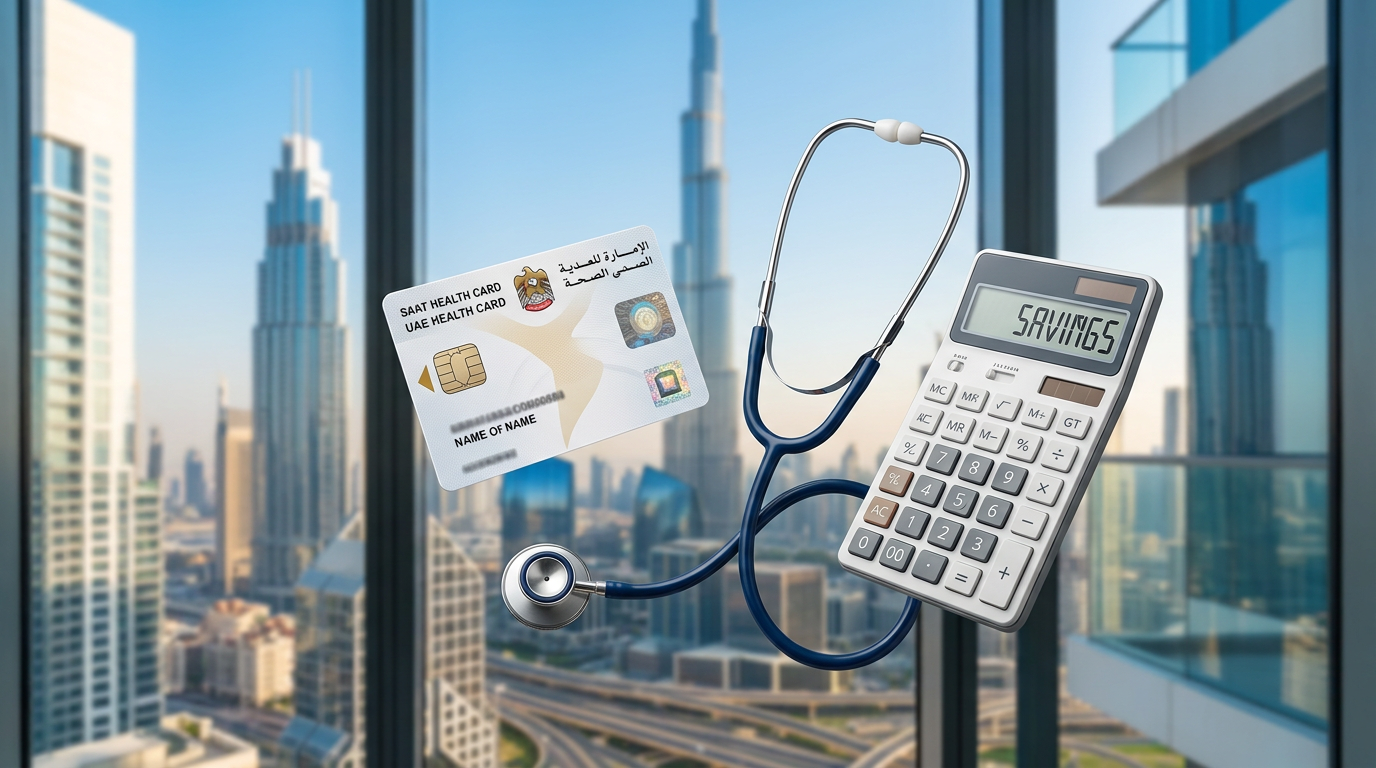
Relocating to the UAE from a country with a robust, nationalised healthcare system is an exciting career move, but it often comes with a significant administrative and financial learning curve. For professionals moving from the UK, Australia, or Europe, the transition from the NHS, Medicare, or statutory health insurance to a heavily privatised medical system can be a major culture shock. In the UAE, while private health insurance is mandatory, the sheer volume of copays, out-of-pocket expenses, and network limitations can quickly eat into your tax-free salary.
However, an emerging financial 'hack' is gaining traction among long-term Western expats managing family health budgets: the Emirates Health Services (EHS) Health Card. Inspired by widespread discussions on expat forums and Instagram data highlighting the stark difference between government hospital fees and private clinic costs, this card has become a lifeline for families looking to optimise their living expenses without compromising on world-class care.
In this comprehensive guide, we will explore exactly what The EHS Health Card is, how Western expats save on UAE medical costs by utilising government facilities, and why integrating this card into your broader relocation and healthcare strategy is one of the smartest financial moves you can make upon arriving in the Emirates.
The Culture Shock of UAE Private Healthcare
If you have spent your life in a system where healthcare is free at the point of use, the operational mechanics of UAE private healthcare take some getting used to. European, Australian, and British expats frequently express surprise at the highly transactional nature of visiting a doctor in Dubai or Abu Dhabi. Rather than simply booking an appointment and walking out, patients are introduced to a vocabulary of 'co-insurance,' 'deductibles,' 'pharmacy caps,' and 'network exclusions.'
When you secure a job in the UAE, your employer is legally mandated (in most emirates) to provide you with private health insurance. However, the quality of these corporate insurance tiers varies wildly. While executive roles may offer premium global coverage with zero deductibles, mid-level professional roles often come with basic policies. These basic policies typically feature a 20% co-pay on all consultations, strict limits on physical therapy, excluded dental coverage, and restrictive maternity caps. For expats with dependents, figuring out how to analyze job offers for family relocation requires reading the fine print of the medical benefits carefully.
To put this into perspective: a standard consultation with a specialist at a premium private hospital in Dubai can easily cost AED 600 to AED 800 (roughly £130 to £170). If your insurance requires a 20% copay and does not cover the prescribed diagnostic tests, a simple diagnostic visit can quickly result in an out-of-pocket expense of AED 1,000 or more. Multiply this by a family of four encountering seasonal illnesses, and the financial drain becomes apparent.
What is the Emirates Health Services (EHS) Health Card?
This is where the Emirates Health Services (EHS) system steps in to bridge the gap. Formerly operated directly under the Ministry of Health and Prevention (MOHAP), the EHS manages a vast network of highly advanced, government-run hospitals, primary healthcare centres, and specialised clinics across the UAE. While these facilities primarily serve Emirati nationals with free healthcare, they are fully open to expatriates—provided you hold an EHS Health Card.
The EHS Health Card is an official identification document that grants non-citizens access to public healthcare facilities at heavily subsidised government rates. It effectively functions as a hybrid mechanism, allowing expats to bypass the inflated pricing structures of private, profit-driven hospitals, and instead pay reasonable, regulated fees for world-class medical attention.
The EHS card is the best-kept secret of long-term Western expats. It transforms the anxiety of unexpected medical bills into a predictable, manageable expense, feeling much closer to the national healthcare systems we left behind.
Government hospitals in the UAE are not "second-tier" facilities. In fact, hospitals like Al Qassimi Hospital in Sharjah or Kuwait Hospital are equipped with some of the most advanced medical technology in the Middle East, including cutting-edge robotic surgery suites, renowned maternity wards, and elite trauma centres. The doctors and consultants employed here are highly credentialed, often holding board certifications from the UK, US, and Europe.
The Financial Hack: How Much Do Expats Actually Save?
The primary appeal of the EHS Health Card is the dramatic reduction in out-of-pocket costs. Recently, social media platforms and expat networking groups have been ablaze with comparisons of medical receipts, exposing the true value of the public system. Let’s break down the comparative costs so you can see exactly why this strategy is vital for anyone relocating to Dubai from Europe or the UK.
Routine Consultations and Diagnostics
In the private sector, visiting a General Practitioner without insurance will cost between AED 300 and AED 500. A specialist visit scales higher. With an EHS Health Card, the consultation fees at a primary healthcare centre or government hospital are typically fixed at a fraction of that cost—often ranging from AED 100 to AED 150 for expats. Furthermore, diagnostic imaging (like MRIs or CT scans) and laboratory tests are significantly cheaper. An MRI that might be billed at AED 3,500 in a private facility is often billed at under AED 1,500 in the government sector.

“I kept getting rejections from London. Base Career rewrote my CV for Dubai, and I landed Emirates in 3 weeks.”
Sarah M. · Marketing Manager · UK 🇬🇧 → Dubai 🇦🇪
No credit card required
Maternity and Paediatric Care
Maternity coverage is notoriously capped in standard UAE insurance policies. A typical basic plan might cap maternity benefits at AED 10,000. However, a private hospital delivery (cesarean section with a brief NICU stay for the baby) can rapidly escalate to AED 30,000 or AED 40,000. For expecting expat families, this shortfall is terrifying. Using the EHS Health Card to access maternity care at government hospitals ensures that families receive premium care at highly regulated, subsidised prices, often allowing them to stay entirely within their insurance cap or pay a very manageable out-of-pocket difference.
Dental and Chronic Condition Management
Most mid-tier corporate insurance packages completely exclude routine dental care and severely restrict the management of pre-existing chronic conditions. The government clinics operated under EHS provide comprehensive dental services—from extractions to root canals—at subsidised rates. Similarly, managing chronic conditions like diabetes or hypertension through EHS pharmacies and clinics ensures access to necessary medications without the exorbitant markups seen in the private retail pharmacy sector.
Who is Eligible and How to Apply for the Card
Acquiring the EHS Health Card is a straightforward process, largely digitised in line with the UAE's push for smart government services. It is available to any expatriate resident who holds a valid Emirates ID. It is important to note that while Dubai and Abu Dhabi have their own specific health authorities (DHA and SEHA, respectively), the EHS network is particularly vast across the Northern Emirates (Sharjah, Ajman, RAK, Fujairah, UAQ) and maintains specific facilities in Dubai. Many expats live in Sharjah but work in Dubai, making the EHS card perfectly aligned with their daily lives.
Here is the step-by-step process for securing your EHS Health Card:
- Create an account on the official Emirates Health Services (EHS) portal or download the EHS smart app.
- Select the service titled 'Issue Health Card'.
- Fill in your personal details. You will need to upload copies of your Passport, valid UAE Residence Visa, Emirates ID, and a recent passport-sized photograph.
- Provide your tenancy contract or utility bill to verify your residential address.
- Pay the issuing fee. For expatriate adults (18 and above), the fee is typically around AED 500 per year. For children, the fee is lower, making it incredibly affordable to cover the entire family.
- Once approved, the digital card is linked immediately to your Emirates ID, meaning you do not even need to carry a physical plastic card to your appointments.
For expats attempting to settle their families quickly, wrapping this administrative task up alongside your visa processing is highly recommended. Understanding these procedural elements is a key part of any complete expat guide to relocating to the UAE.
Integrating the EHS Card with Your Private Insurance
It is crucial to understand that the EHS Health Card does not replace your legal obligation to hold private health insurance in emirates like Dubai and Abu Dhabi. Think of it not as an alternative to insurance, but as a supplementary safety net and an aggressive cost-reduction tool.
When you seek treatment at a government hospital, the administrative team will first ask for your private health insurance card. If the government facility is within your private insurance network, they will bill your insurance directly. However, the true magic of the EHS card reveals itself when your private insurance rejects a claim, when you hit your annual benefit cap, or when you are seeking a treatment (like dermatology or adult orthodontics) that is explicitly excluded from your corporate policy.
Think of your private insurance as your legal compliance, and your EHS Health Card as your financial shield. When the private sector says 'Not Covered,' the government sector says 'Subsidised.'

Furthermore, during emergency situations—such as severe trauma or critical cardiac events—government hospitals are generally the best-equipped facilities in the country. Ambulance services typically route critical emergencies directly to state trauma centres. Having your EHS file open and ready ensures that the financial aftermath of an emergency is far less devastating than it would be without government subsidisation.
Why This Matters When Negotiating Your UAE Salary
Understanding the healthcare landscape intimately affects your leverage during salary negotiations. Many Western expats evaluate their Dubai job offers purely based on the top-line tax-free salary, failing to account for the invisible taxes of private tuition, housing, and medical copays. As highlighted in guides for navigating family and career relocations, a weak insurance package can effectively reduce your take-home pay by thousands of dirhams a month.
If a prospective employer refuses to budge on offering a basic-tier medical insurance plan, you do not necessarily need to walk away from the offer. By factoring in the AED 500 annual cost of the EHS Health Card, you can confidently accept the role knowing you have engineered a workaround to the poor insurance package. You can rely on the corporate insurance for minor clinic visits, while pivoting to the EHS network for expensive diagnostics, maternity, and specialist referrals.
This proactive approach to your finances helps you maintain the high standard of living you moved to the UAE to achieve, shielding your hard-earned tax-free income from the profit margins of the private medical sector.
Frequently Asked Questions
Do I still need private health insurance if I have the EHS health card?+
How much does the EHS health card cost for expats?+
Can I use the EHS health card at private clinics in Dubai?+
Is the EHS health card available to tourists?+
Streamline Your Relocation and Your Career
Moving from a nationalised health system to the UAE's private medical landscape can be intimidating, but tools like the EHS Health Card empower expats to take control of their family’s financial wellbeing. By hacking the costs of out-of-pocket medical care, you ensure that your relocation remains a lucrative and positive experience.
Of course, managing your family’s health is just one part of a successful Middle Eastern transition—landing the right high-paying role to support them is another. Just as the EHS card optimises your healthcare expenses, you need an optimised approach to your job search. Platforms like Base Career scan UAE job boards daily and match openings directly to your profile, so you stop missing relevant roles in a highly competitive market.
Stop manually scrolling through generic job boards and let automation do the heavy lifting for your UAE career. Try it free at https://app.basecareer.co/auth.
Stay ahead of the market. Join Base Career Today.
Turn market shifts into a clearer application workflow with resume tailoring and tracking in one place.
Start freeNo credit card required

James T.
Canada 🇨🇦 → Riyadh 🇸🇦
“50 applications, zero replies with my Canadian CV. Base Career got me 4 Riyadh interviews and a Series B offer.”
Written by Base Career Research Team
Produced by the Base Career Research Team with AI, using Base Career job-market data, and published automatically. How our articles are made
Related Posts
Moving from the UK to Dubai: Why a Job Offer is Non-Negotiable
Planning a move from the UK to Dubai? Discover why arriving without a job is a financial risk and how to secure a role from home to avoid the 'low-pay trap.'

Building 'Wasta' from Scratch: Networking Strategies for Dubai Expats
Frustrated by 1,000+ applicants on LinkedIn? Learn how to build 'Wasta'—your professional network—from zero to access the UAE's hidden job market.