Dubai Rental Deposits: What New Arrivals Must Know Before Signing

Welcome to the UAE, a booming hub of tax-free salaries, year-round sunshine, and unparalleled career opportunities. But if you spend a few minutes scrolling through local expat Instagram reels, you will quickly notice a recurring, slightly panic-inducing theme: the infamous move-out inspection traps. Western professionals who recently relocated are frequently seen scrubbing apartment grout with toothbrushes or arguing with property managers over microscopic scratches on AC vents. For those unfamiliar with the market, Dubai rental deposits can quickly turn into an unexpected moving tax.
If you are relocating from high-protection rental markets like the United Kingdom, Australia, or Canada, the UAE’s property standards and regulatory framework require a major mindset shift. In markets like the UK, your deposit is safely held by a government-backed Deposit Protection Service (DPS). In Dubai, your landlord directly cashes your deposit cheque. While the Real Estate Regulatory Agency (RERA) provides excellent legal frameworks, the burden of proof at move-out falls heavily on the tenant.
Securing an apartment is one of the most stressful parts of your initial landing phase. Cross-referencing your 14-day relocation checklist ensures you don't rush into a bad lease out of desperation. This comprehensive guide will walk you through exactly what new arrivals must know before signing a tenancy contract, providing a robust pre-signing checklist to ensure you get your full deposit back when it is time to move on.
The Financial Reality of Dubai Rental Deposits
Before diving into inspections, it is crucial to understand how rental finances work in Dubai. Unlike many Western cities where you pay month-to-month, Dubai rent is traditionally paid upfront via post-dated cheques (usually 1, 2, 4, or sometimes up to 12 cheques). On top of the rent, tenants face a massive initial cash outlay.
The standard security deposit in Dubai is 5% of the annual rent for unfurnished properties and 10% for furnished properties. When you factor in the 5% agency fee, Ejari (contract registration) fees, and DEWA (Dubai Electricity and Water Authority) deposits, you are parting with a significant sum of money before even unpacking a box. High housing costs are a stark realization for many exploring whether the Dubai remote work visa's $5,000 minimum is truly enough to sustain a comfortable expat lifestyle.
Because the landlord holds the deposit directly, withholding these funds at the end of your tenancy for "damages" and "maintenance" is remarkably easy for them, and frustratingly difficult for you to contest without proper prior documentation.

The Ultimate Pre-Signing Apartment Inspection Checklist
Never sign a tenancy contract or hand over your deposit cheque based on a quick, five-minute walk-through. Dubai’s climate—characterized by extreme heat, humidity, and fine desert sand—accelerates wear and tear on properties. Here is the exact pre-signing checklist you must execute.
1. AC Vents and Cooling Systems
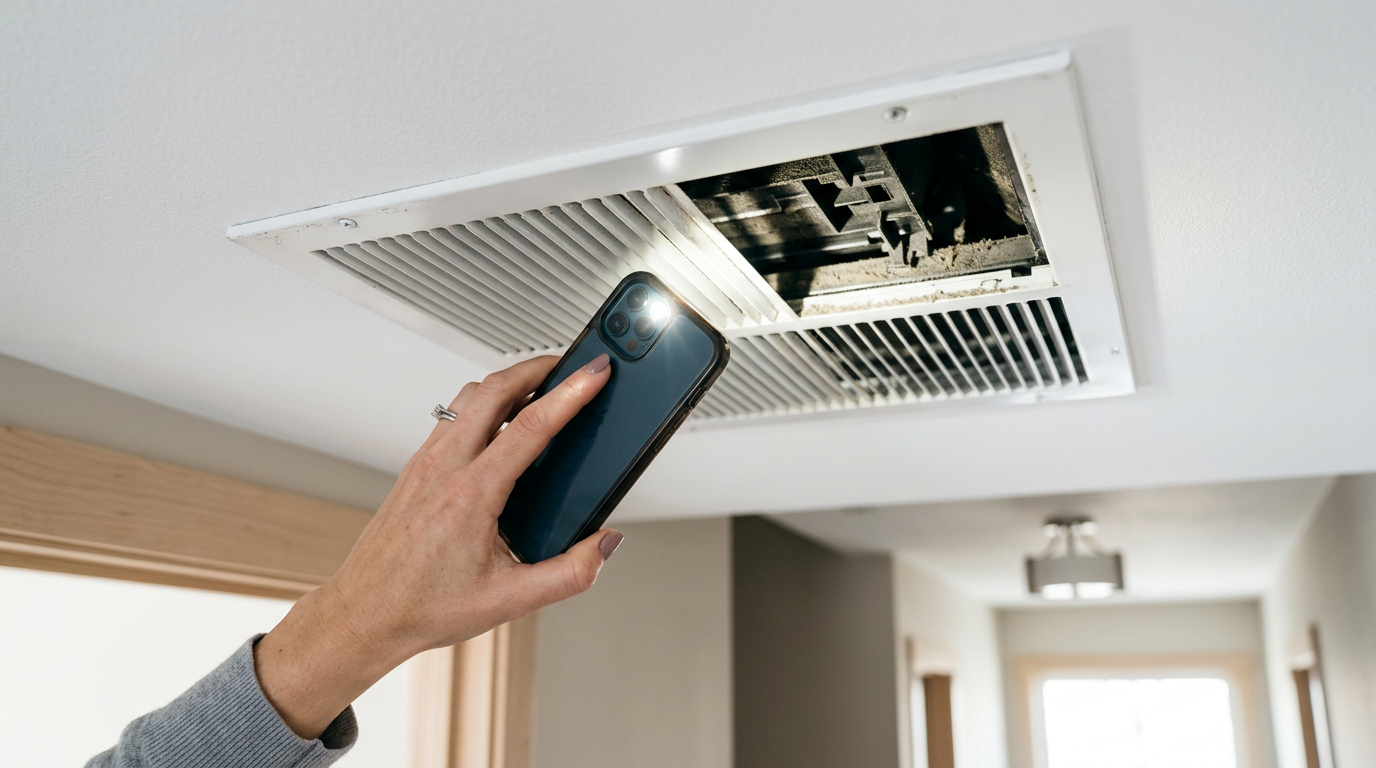
Air conditioning runs virtually year-round in the UAE. Consequently, AC units are the number one cause of deposit disputes. Look closely at the AC vents and diffusers in the ceiling. Are there black specks or visible mold? Is there condensation dripping down the walls? In Dubai, if you do not report dirty AC ducts on day one, the landlord will charge you thousands of Dirhams for deep cleaning and sanitization when you move out.
- Demand that the AC is turned on during your viewing.
- Listen for rattling noises which indicate failing compressor motors.
- Ask for the last AC servicing report. Landlords should service the AC before a new tenant moves in.
2. Grout, Sealants, and Hidden Water Damage
Because of rapid construction schedules and constant use of air conditioning, water leaks and poor drainage are common in some Dubai towers. Inspect the grout between bathroom and kitchen tiles. Discolored, cracking, or missing grout will absolutely be billed to you upon moving out. Check the sealant around the bathtub, shower tray, and kitchen sink. If it looks degraded, request that it be reapplied before you sign the contract.
3. The 'Dubai White' Paint and Walls
Almost every standard tenancy contract requires you to return the apartment in its original condition, which usually means a fresh coat of stark white paint. During your initial viewing, look for scuff marks, poorly patched holes from previous tenants' artwork, or uneven paint jobs. If the walls are not freshly painted when you move in, document every single mark. Otherwise, your landlord will use your deposit to fund the repainting that they should have done beforehand.
4. Balcony Tracks and Windows

“I kept getting rejections from London. Base Career rewrote my CV for Dubai, and I landed Emirates in 3 weeks.”
Sarah M. · Marketing Manager · UK 🇬🇧 → Dubai 🇦🇪
No credit card required
Desert sand is fine, abrasive, and gets everywhere. Over time, it destroys the sliding mechanisms on heavy balcony doors. Try opening every single window and sliding door. If they stick or squeak terribly, the rollers might be damaged. Replacing heavy-duty glass door rollers can cost upwards of 1,000 AED, and landlords love deducting this from rental deposits.
Treat your move-in inspection like a forensic investigation. The photos and videos you take on day one are the only shield protecting your deposit on day 365.
Navigating the Contract Addendum: The Maintenance Clause
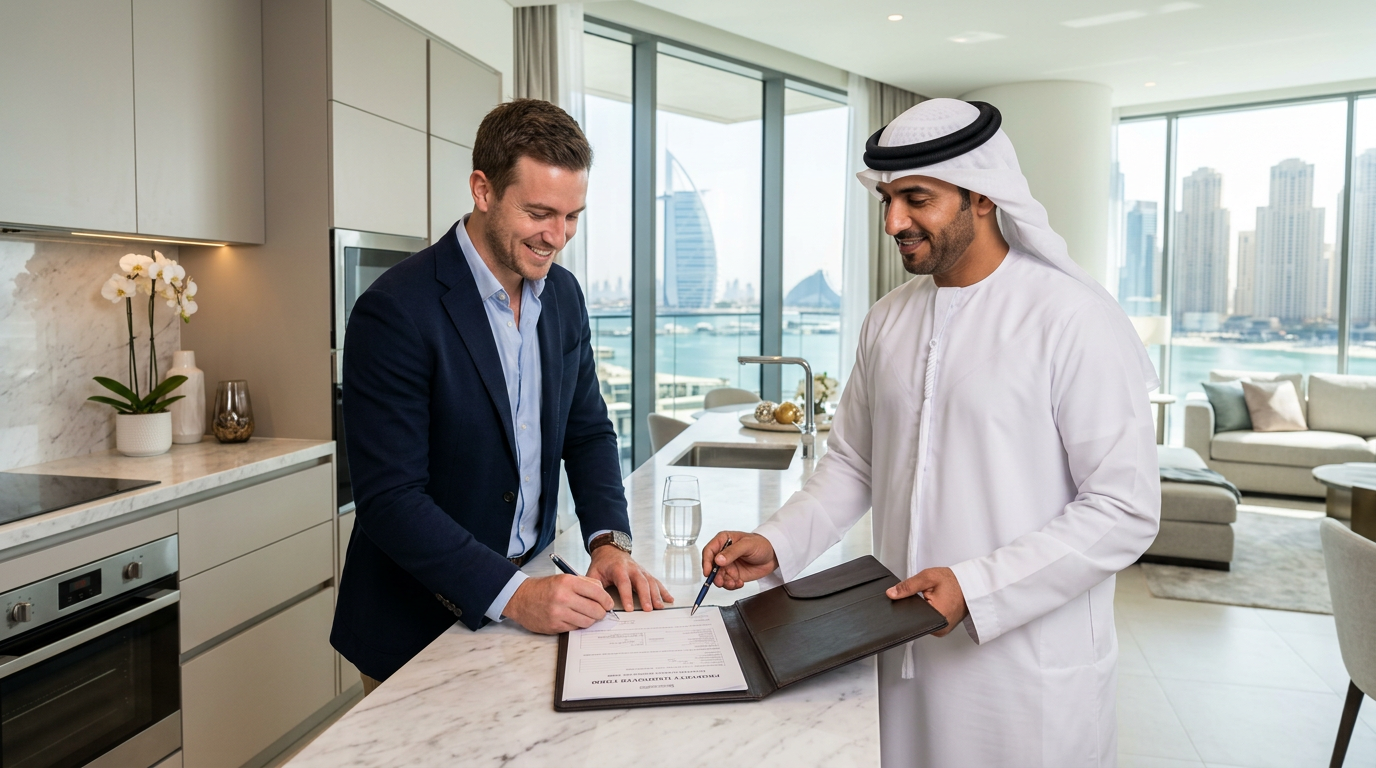
In Dubai, the standard Ejari contract (the government-registered lease) is only two pages long. The real rules of your tenancy are hidden in the Addendum—a supplementary document drafted by the real estate agent or landlord. This is where your rental deposit is put at risk.
Pay extreme attention to the Maintenance Clause. Standard market practice dictates that the tenant is responsible for "minor maintenance" (typically defined as any repair under 500 AED), while the landlord is responsible for "major maintenance" (repairs exceeding 500 AED, structural issues, and major appliance failures).
However, unscrupulous landlords might try to increase your liability to 1,000 AED or vaguely word the clause so that major AC failures fall on you. If a compressor blows out mid-July, it can cost 3,000 AED to fix. If your addendum does not explicitly state that the landlord covers major AC repairs, you might find yourself footing the bill or having it stripped from your deposit. Rent and housing upkeep consume a massive portion of an expat's salary, which is why performing a meticulous Dubai expat family relocation job offer analysis is essential to ensure you aren't house-poor.
Mastering the Move-In 'Snagging' Report
Once you sign the lease, hand over the cheques, and get the keys, you have a brief window—usually 48 to 72 hours, depending on your addendum—to submit a "snagging report." This is your opportunity to formally document the state of the apartment.
Do not be shy about this process. Walk through the empty apartment in broad daylight and take over 100 photos and videos. Zoom in on chipped skirting boards, water stains under the sink, cracked tiles, and marked walls. Turn on every tap to check water pressure, and test every electrical socket. Compile all of these photos into a shared cloud folder and email the link directly to your agent and your landlord with a written inventory of the existing damage. Having this email timestamped from your very first week is the ultimate trump card when negotiating your deposit return a year later.
The 'Fair Wear and Tear' Fallacy
You will frequently see the phrase "fair wear and tear" in your tenancy addendum. By legal definition, a tenant should not be penalized for the natural degradation of a property through normal daily living. However, because Dubai's rental turnover is so high and landlords often want pristine apartments for the next premium-paying tenant, "wear and tear" is highly subjective.
Many property management companies will claim that faded paint behind a sofa or small picture-hook holes are "damage" rather than fair wear and tear. To combat this, communicate heavily. If a pipe bursts or an appliance starts making strange noises mid-tenancy, report it immediately in writing. Do not wait until move-out. Landlords will penalize you for "negligence" if an unreported minor leak turns into a major cabinet rot.
Securing Your Deposit at Move-Out: The Final Strategy
Fast forward a year or two: you have secured a better role, upgraded your lifestyle, and it is time to move out. How do you actually get your money back?
Firstly, hire a professional deep-cleaning company and ask them specifically for an "end-of-tenancy" clean. Keep the receipt. Secondly, if you painted any walls a different color, you are legally obligated to return them to their original color. It is almost always cheaper to hire a third-party painter in Dubai yourself rather than letting the landlord's maintenance team do it and deduct it from your deposit.
If a dispute arises and the landlord refuses to return your deposit or makes exorbitant deductions, you can file a case with the Dubai Rental Dispute Center (RDC). The RDC is generally fair and objective. However, filing a case costs a percentage of the disputed amount, and it takes time. In 90% of cases, simply presenting your day-one timestamped photos and reminding the landlord of your willingness to visit the RDC is enough to force a fair settlement.
Ensuring Your Career Supports Your Dubai Lifestyle
Managing the high upfront costs of Dubai rent—from multiple cheques to 5% deposits and agency fees—requires significant financial stability. If you are relocating as an executive or a senior professional, you must ensure your compensation package is structured to absorb these lifestyle costs. This is exactly why learning how to audit an executive job offer in Dubai is critical before you even board your flight.
Dubai’s real estate market moves incredibly fast, and securing an apartment you genuinely love requires confidence in your job security and income stream.
Frequently Asked Questions
How much is a standard rental deposit in Dubai?+
Can a Dubai landlord keep my deposit for repainting?+
What happens if a landlord refuses to return my security deposit?+
What is the standard maintenance clause in a Dubai lease?+
Conclusion: Your Next Steps for a Seamless Dubai Relocation
Protecting your Dubai rental deposit comes down to vigilance, meticulous documentation, and understanding the local regulatory landscape. By following this pre-signing checklist, assessing the AC vents, analyzing the contract addendum, and executing a flawless day-one snagging report, you can eliminate the stress of move-out traps and fully enjoy your new expat life.
Of course, securing your ideal apartment in Dubai requires a steady, highly competitive income. The job market is fierce, and to afford the upfront costs of relocation, you need to land the right role fast. Platforms like Base Career scan UAE job boards daily and automatically tailor your resume for each application—generating an ATS-optimised CV matched to the job description in under 60 seconds. Stop missing out on top-tier salaries because of generic applications.
Ready to secure a role that easily covers your Dubai housing costs? Try it free at https://app.basecareer.co/auth.
Land 4x more interviews in 27 days. Join Base Career Today.
Track applications, tailor resumes, and follow up faster in one UAE job search system.
Start freeNo credit card required

James T.
Canada 🇨🇦 → Riyadh 🇸🇦
“50 applications, zero replies with my Canadian CV. Base Career got me 4 Riyadh interviews and a Series B offer.”
Written by Base Career Research Team
Produced by the Base Career Research Team with AI, using Base Career job-market data, and published automatically. How our articles are made
Related Posts

Landing Your First Dubai Job: A Roadmap for Freshers and Graduates
Breaking into the UAE job market with zero experience is tough but not impossible. Here is your strategic roadmap to landing that first role in Dubai.

Building 'Wasta' from Scratch: Networking Strategies for Dubai Expats
Frustrated by 1,000+ applicants on LinkedIn? Learn how to build 'Wasta'—your professional network—from zero to access the UAE's hidden job market.